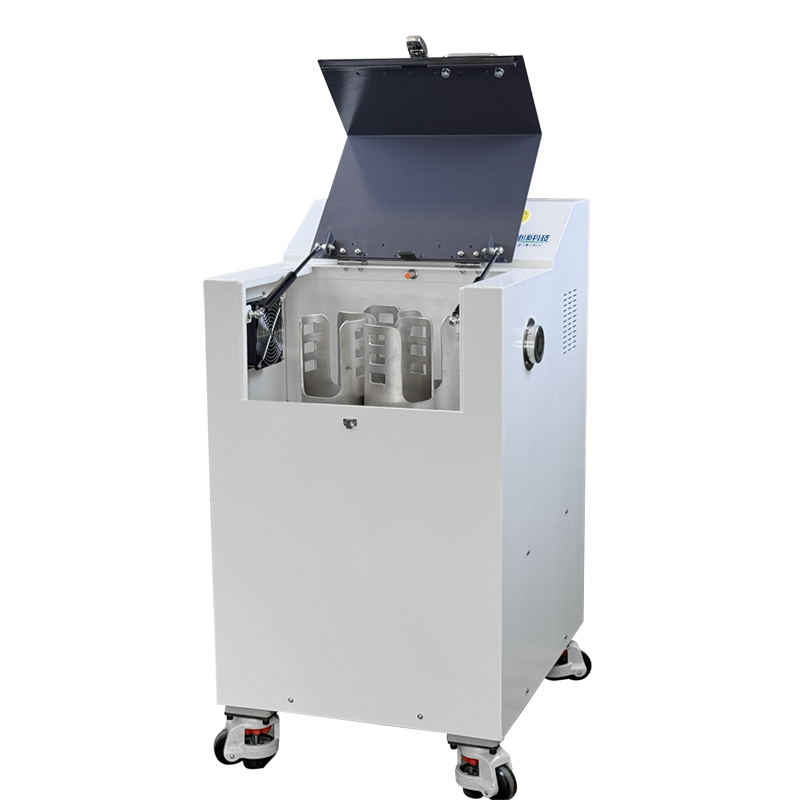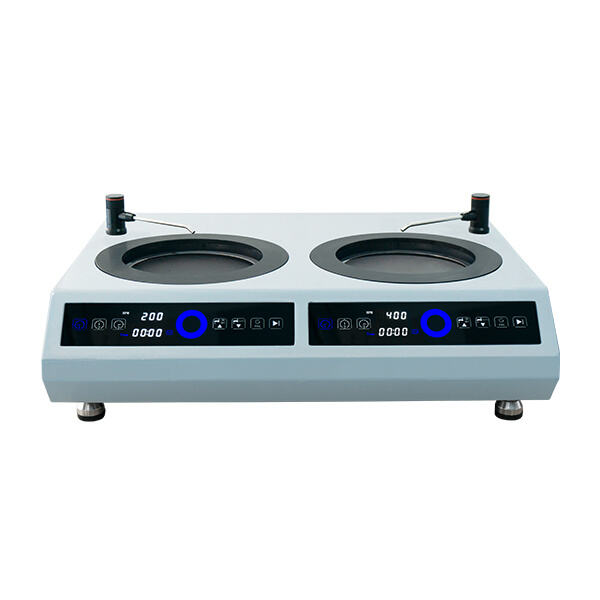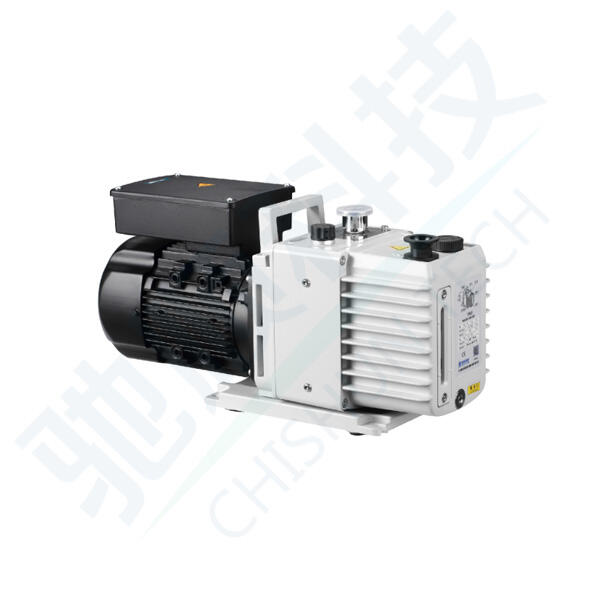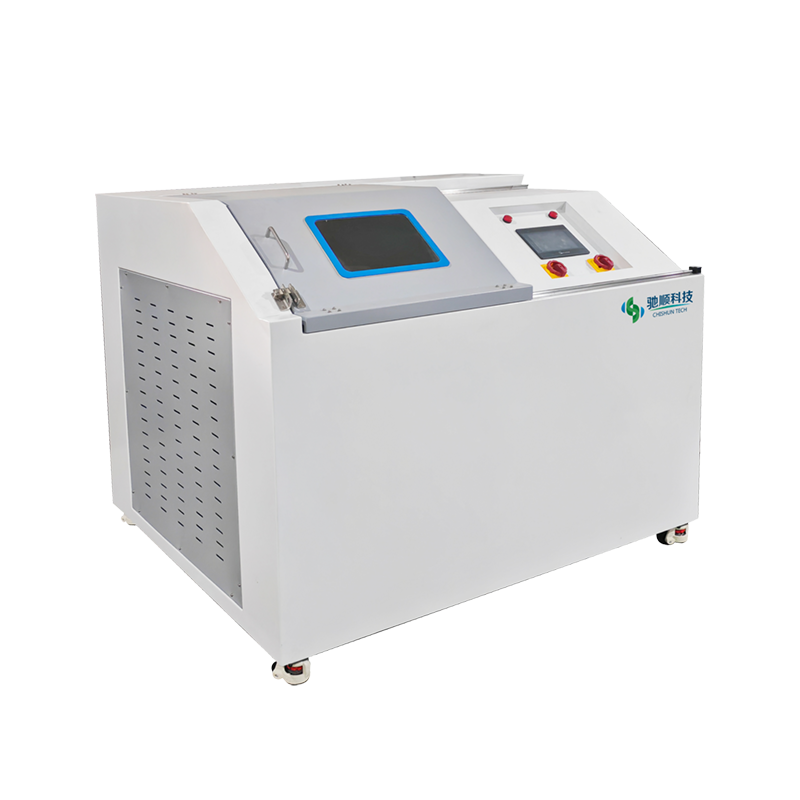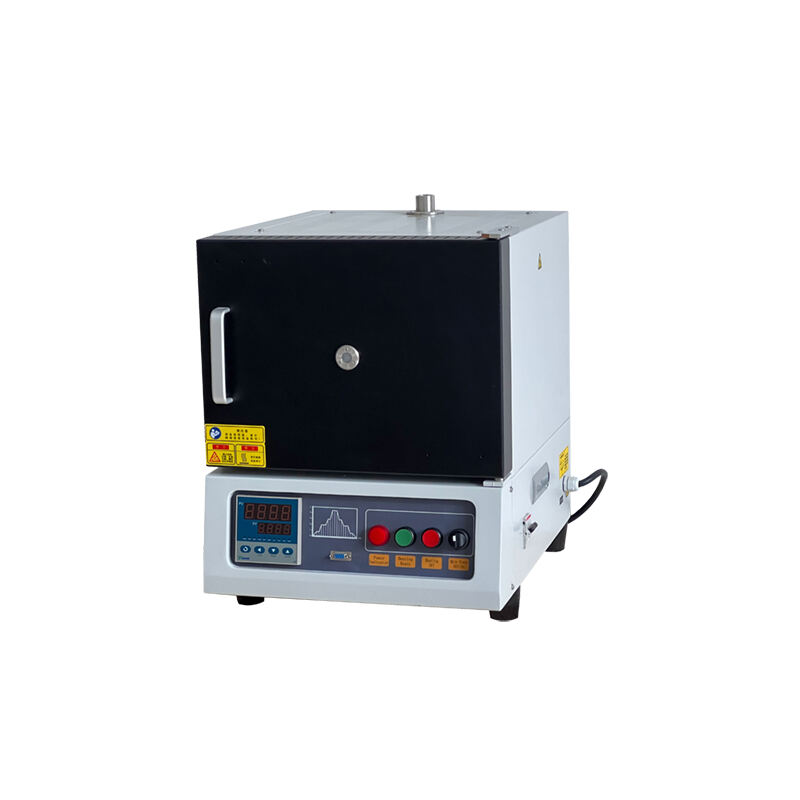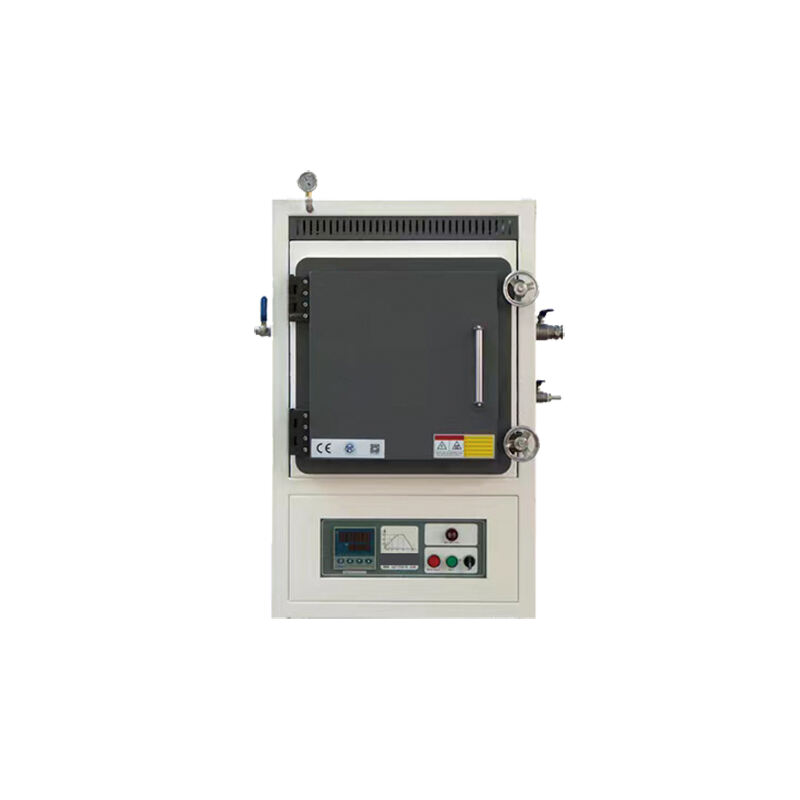
Was a CVD oven even something you’d heard of until now? So a CVD furnace is really just a special kind of oven that makes materials stronger and better. CVD is the acronym for Chemical Vapor Deposition. This involves using chemicals in the furnace to produce a layer of one material on another material. It’s somewhat akin to adding icing to a cake to make it more delicious!
A CVD furnace is a key to making all kinds of things we use every day. It is useful in manufacturing materials, including metals, ceramics and even plastics. By employing a CVD furnace, these materials can be made stronger, more tougher or they may even be given special characteristics such as conducting an electric charge!
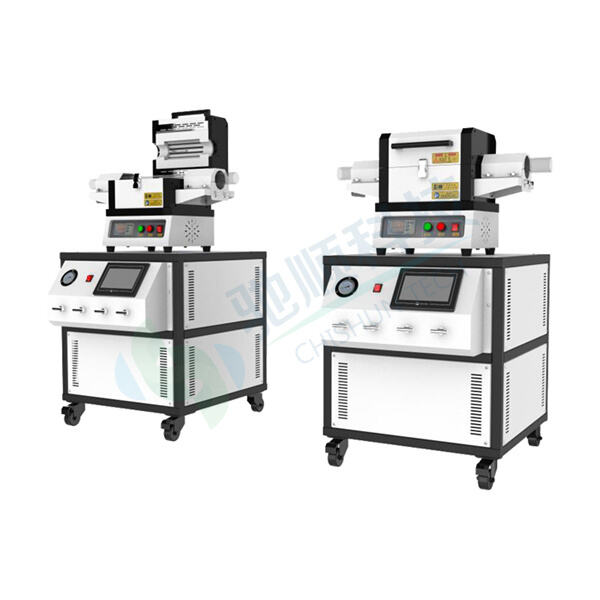
Running a CVD furnace might seem complicated but it’s pretty simple! 3.2.1 First, the materials requiring to be coated are put into the furnace. The furnace is then heated to high temperatures. This will result in reaction of the chemicals with the furnace and deposited on the materials in a slim sheet. After coating the materials are cooled down before they can be used.
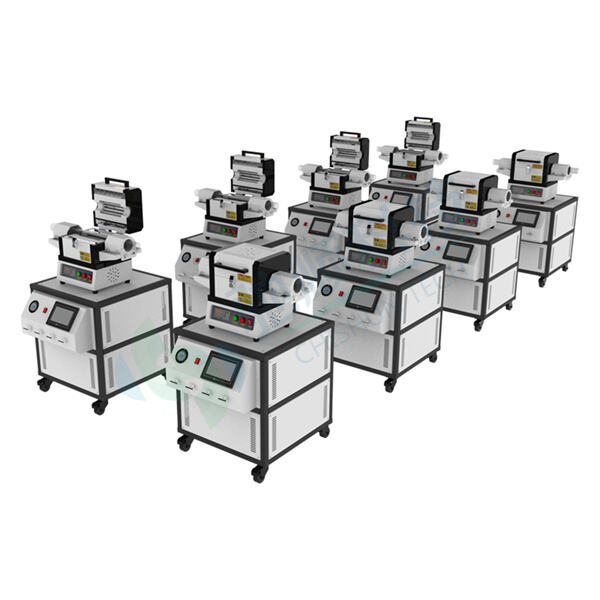
These CVD furnaces have since been further refined thanks to technological breakthroughs to in order to coat materials even more effectively and precisely. The latest generation of CVD furnaces can now deposit coatings more quickly than in the past, with fewer chemicals, and to higher levels of accuracy. This also means that manufacturers are now able to produce higher quality products in a shorter amount of time, saving them money and the environment.
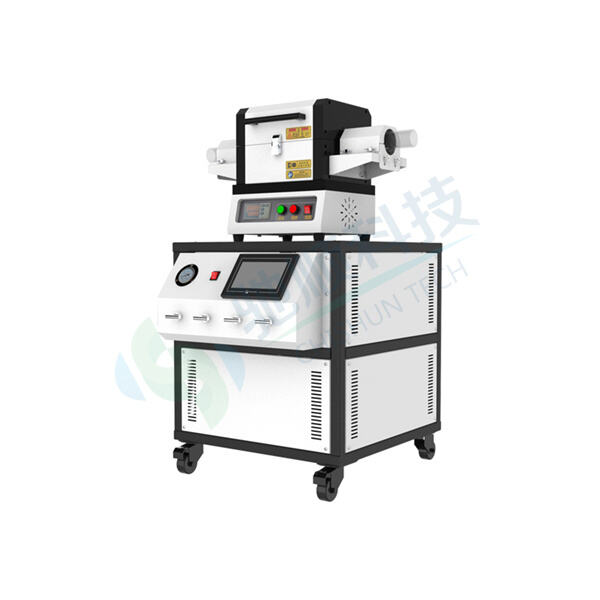
In various industries across the board, products of every kind are made by using CVD furnaces. CVD furnaces also make computer chips and other electrical equipment in the electronics industry. In the automotive industry, they are used to form long-lasting car parts. CVD furnaces are even employed in the healthcare business to manufacture surgical tools and medical implants.
All of us are committed to offer you cvd furnace equipment. Each person in all of us works diligently and is accountable for all work. We hope which our expertise and commitment will enable anyone to make better efforts.
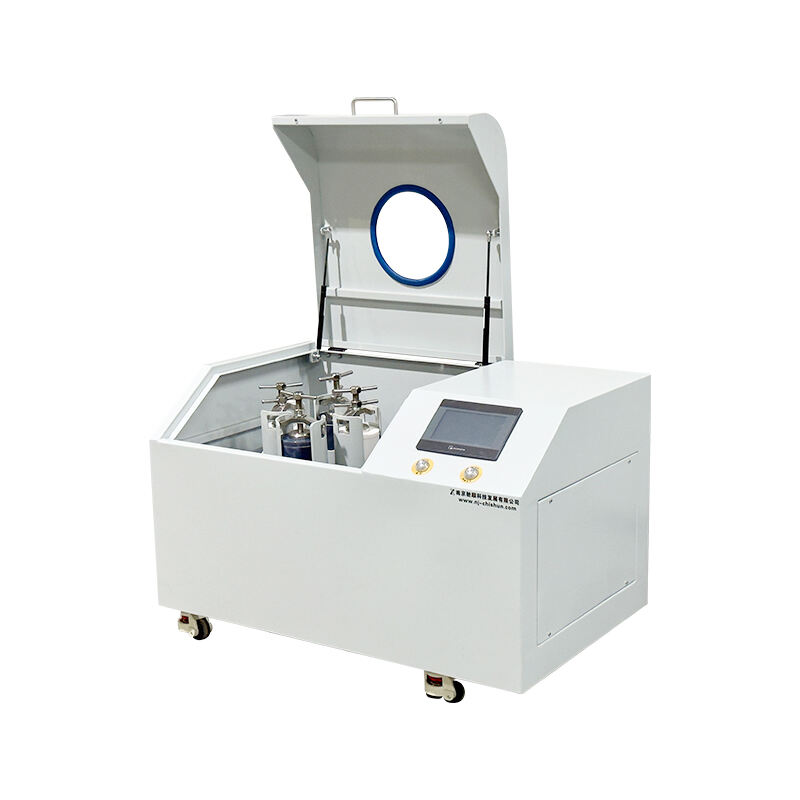
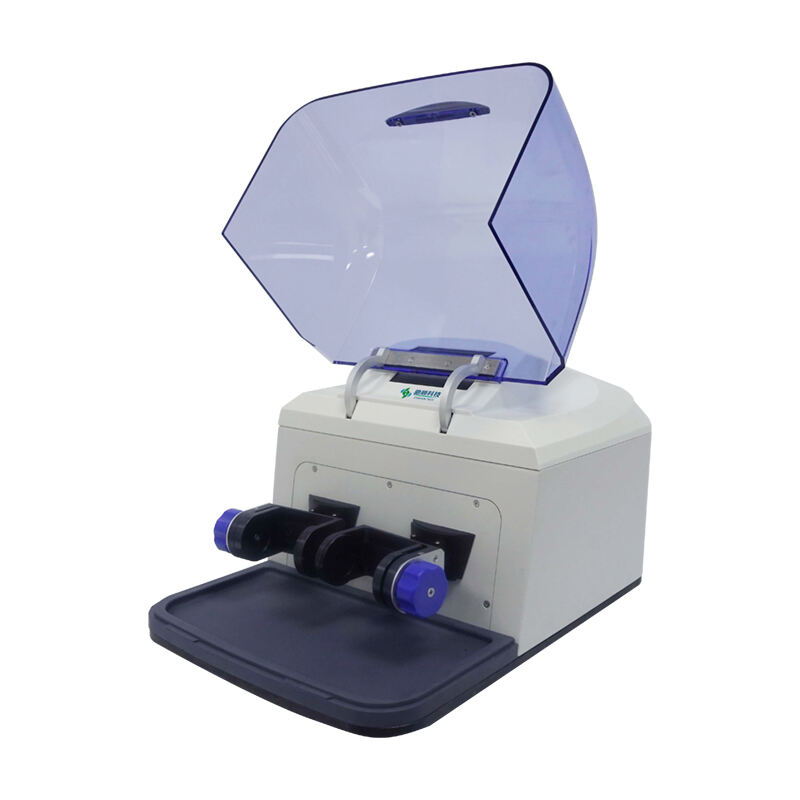
Our items are cvd furnace and features, highly efficient, and quiet. They've been ideal for capturing particulate samples 4 samples per experiment) at research institutes for scientific research and corporate labs.
Our items are used cvd furnacein geology and mining and metallurgy. Electronics Ceramics, building materials, plus ceramics. Chemical industry plus light industry. Medicine, cosmetology. Protection for this environment.
We certainly are a cvd furnace manufacturing that blends analysis, manufacturing, sales and service. Among the Hi-tech major Enterprises of Torch Plan, CHISHUN possessed a team of exemplary technical personnel. They even hold several patents. They even cooperated with local professors from NJU, NUST plus HHU.
 EN
EN
 AR
AR
 BG
BG
 CS
CS
 DA
DA
 NL
NL
 FI
FI
 FR
FR
 DE
DE
 EL
EL
 HI
HI
 IT
IT
 JA
JA
 KO
KO
 NO
NO
 PT
PT
 RO
RO
 RU
RU
 ES
ES
 SV
SV
 TL
TL
 ID
ID
 SR
SR
 VI
VI
 SQ
SQ
 HU
HU
 TH
TH
 TR
TR
 FA
FA
 MS
MS
 BE
BE
 IS
IS
 BN
BN
 LO
LO
 LA
LA
 MN
MN
 KK
KK
 UZ
UZ
 LB
LB
 XH
XH