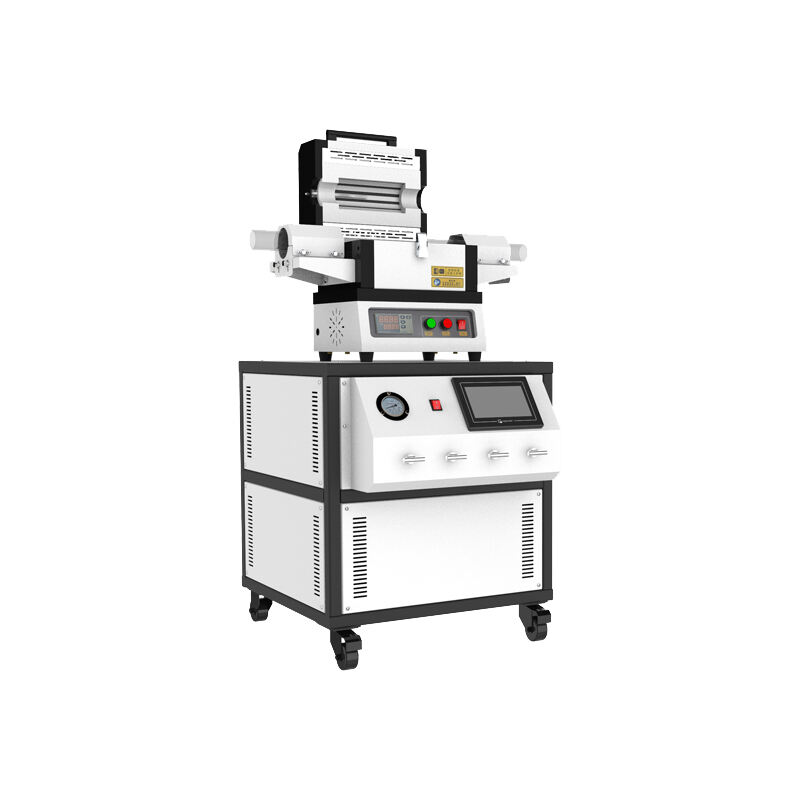
I have received requests to cover Glove Box chemistry — which is a super cool way scientists work on some tiny, itsy-bitsy things called molecules. When scientists are doing experiments with these little guys, they have to be super careful because they can easily react with oxygen and moisture in the air. For those times, we have a special tool known as the glovebox. We’ll find out about glovebox chemistry, and how it’s helping scientists to do incredible experiments with chemicals.
When scientists are working with some really tiny things, they need to ensure the environment around those things is right. If oxygen and water seep into their experiments, it can spoil everything! That’s why scientists use a Glove Box, a special box that keeps oxygen and moisture out. This allows scientists to perform fragile experiments without getting any unwanted reactions.
Glovebox chemistry is a big deal in the world of science. Chemists use gloveboxes for handling air-sensitive chemicals, those that are prone to react with oxygen and water in the air. That means scientists can do experiments that simply wouldn’t be feasible in a regular lab. With glovebox chemistry, scientists can work their magic and develop new ideas that just might make the world a little bit better.
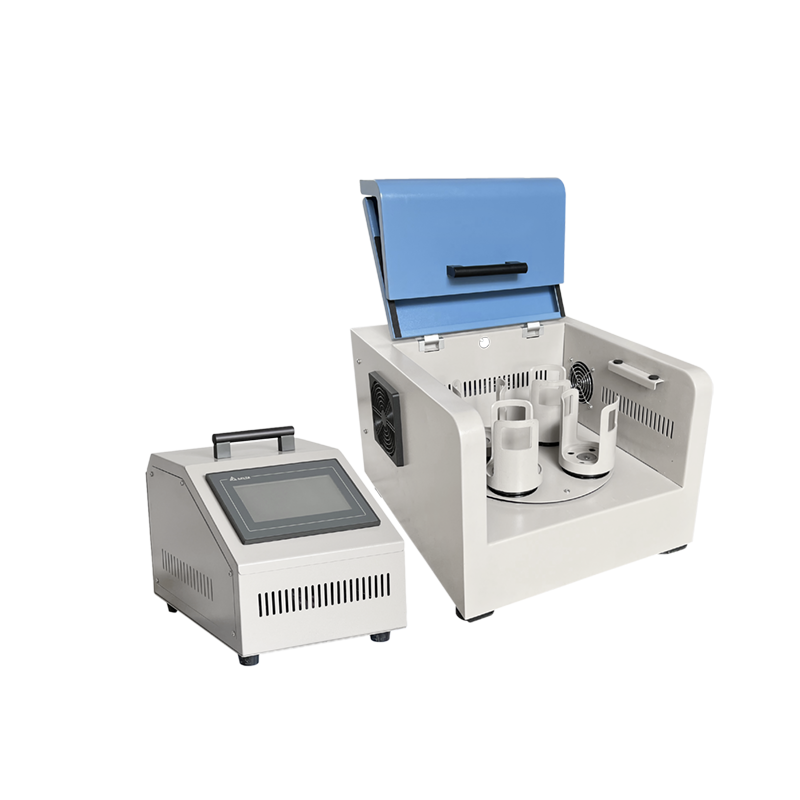
In Glove Box chemistry, the researchers are all about optimizing their experiments. They’re looking to maximize the quantity of product they can make — that’s called yield — and that it be super pure. Scientists can use a glovebox to control the conditions of the environment around their work, ensure that their reaction occurs properly and delivers the best possible results. This is important in order to ensure successful and reliable experiments.
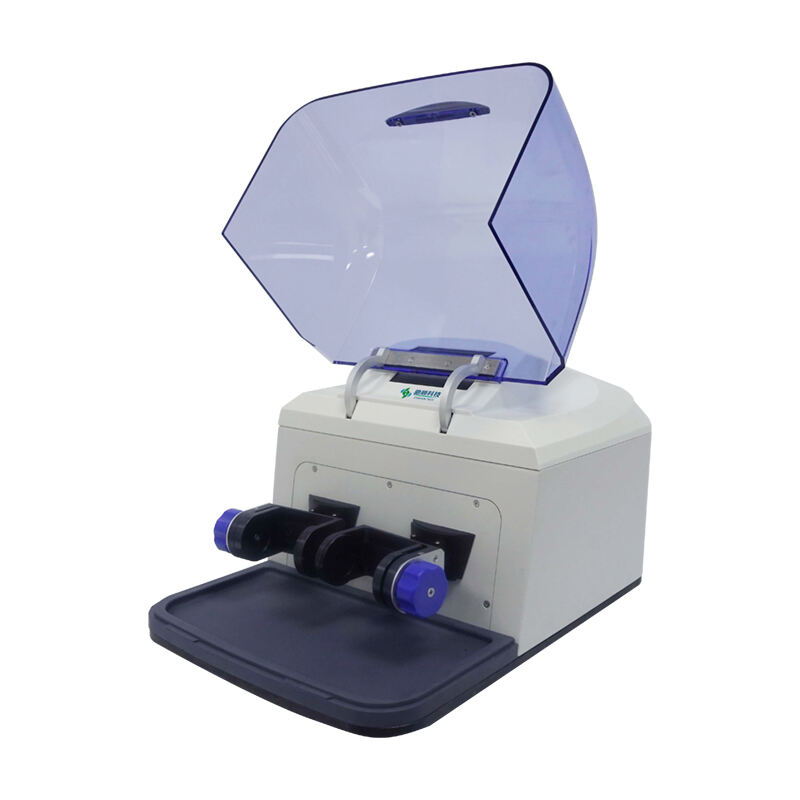
Conducting experiments in a glovebox can be a challenge, but there are some shiny baubles of wisdom that can help scholars experience success. Here’s some helpful advice: Make sure the glovebox is tightly closed to prevent exposure to oxygen and moisture. Scientists also have to be cautious using air-sensitive chemicals to prevent accidents. By applying these tips and being extra cautious, scientists can perform incredible experiments in the Glove Box.
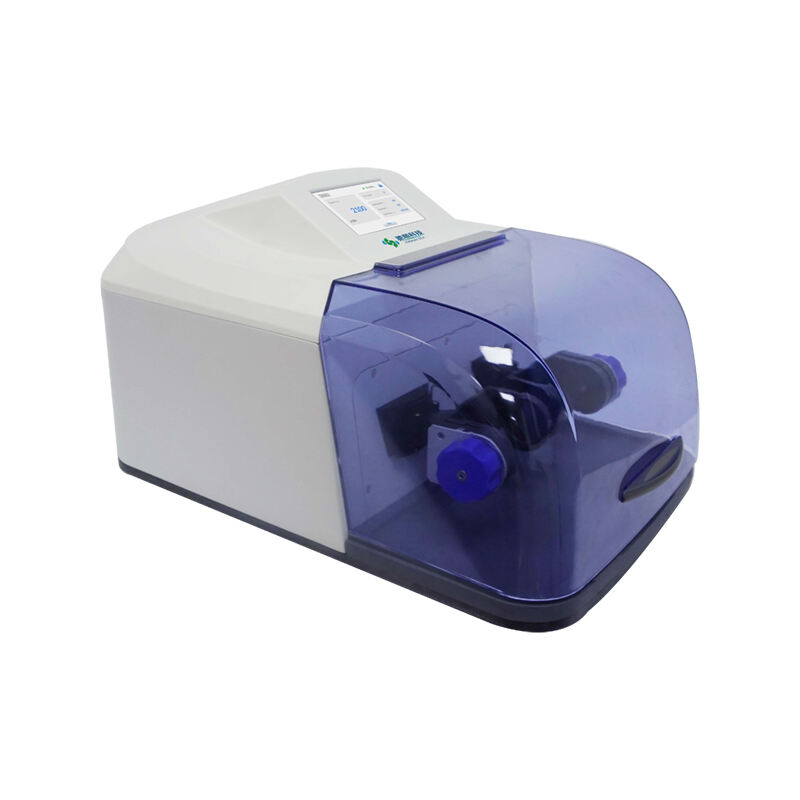
Safety is terribly important when using chemicals, particularly in a glovebox where reactions can be sensitive. Scientists must follow strict safety protocols, wear puffy protective gear and be trained in how to operate the Glove Box. This is a good way to avoid accidents and keep everyone healthy. But by maintaining safety and effectiveness, scientists are freed up to concentrate on their experiments and to come up with exciting discoveries in the chemistry world.
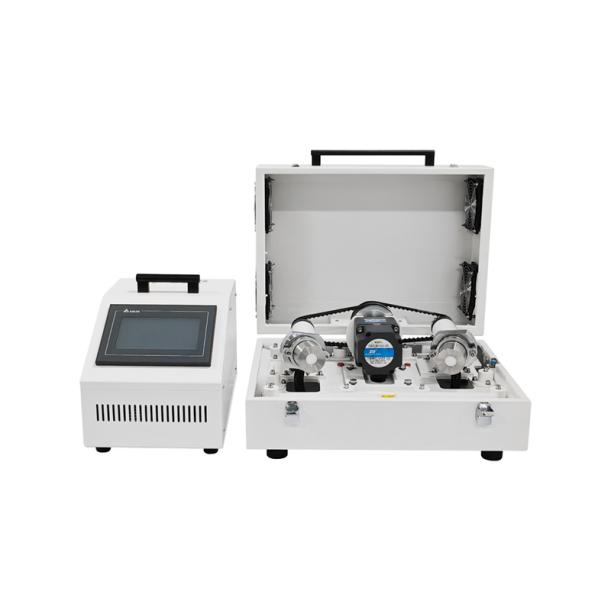
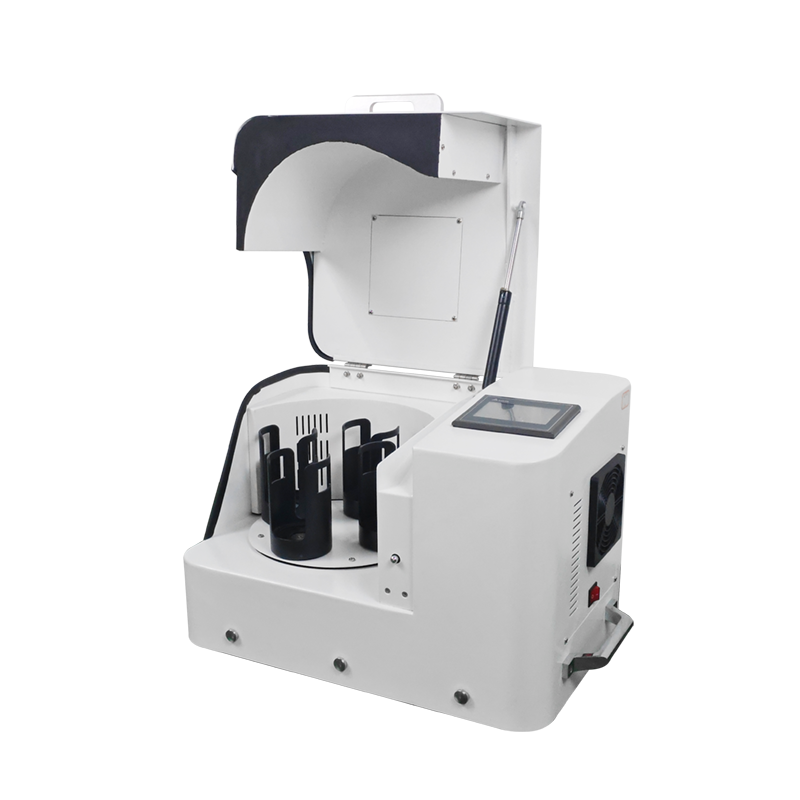
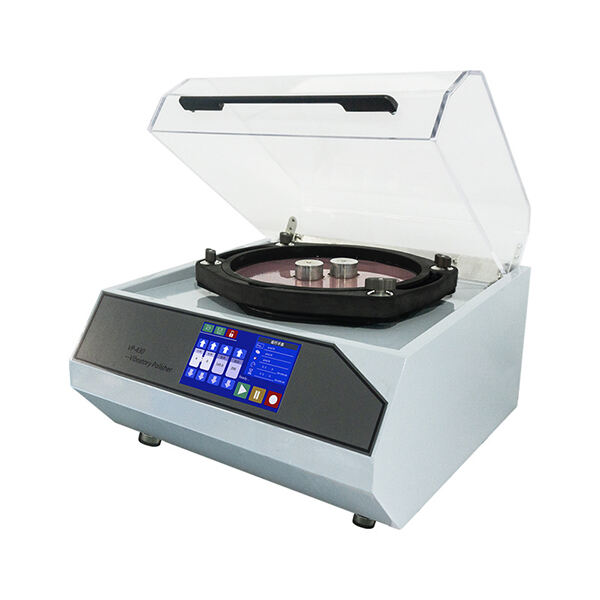
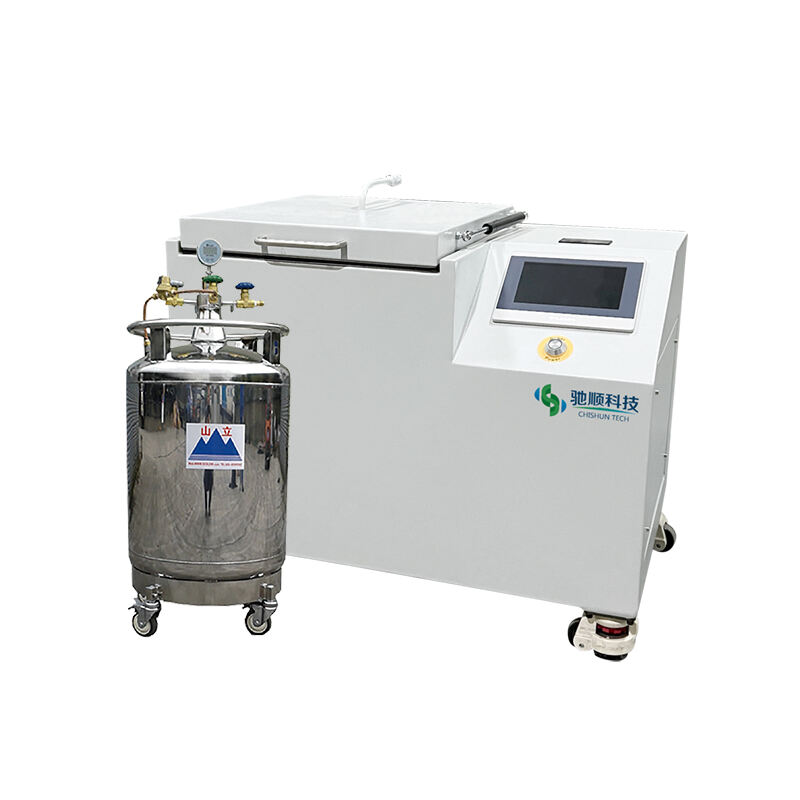
Our instruments are glovebox chemistry, full-featured, full of effectiveness plus reduced in noise which make them perfect instruments obtaining particulate samples (four samples every test) in scientific analysis institutes, colleges and universities, plus in business research laboratories.
We have been a glovebox chemistryproduction that focuses on research, production, and serving. As among the most important Hi-tech Enterprises of Country Torch Plan CHISHUN was home to a group of excellent workers being technical. In addition they hold a true range patents, and in addition collaborated with local teachers of NJU, NUST and HHU.
Our items are used glovebox chemistryin mining, geology electronics, metallurgy, building materials chemical industry, ceramics medical, light markets, environmental safeguards, cosmetology etc.
All of us is invested in supplying both you and tools of this glovebox chemistry. Every member of all of us is dedicated plus accountable with their perform. We have been certain that our abilities and work makes it possible to achieve greater outcomes.
 EN
EN
 AR
AR
 BG
BG
 CS
CS
 DA
DA
 NL
NL
 FI
FI
 FR
FR
 DE
DE
 EL
EL
 HI
HI
 IT
IT
 JA
JA
 KO
KO
 NO
NO
 PT
PT
 RO
RO
 RU
RU
 ES
ES
 SV
SV
 TL
TL
 ID
ID
 SR
SR
 VI
VI
 SQ
SQ
 HU
HU
 TH
TH
 TR
TR
 FA
FA
 MS
MS
 BE
BE
 IS
IS
 BN
BN
 LO
LO
 LA
LA
 MN
MN
 KK
KK
 UZ
UZ
 LB
LB
 XH
XH