
 EN
EN
 AR
AR
 BG
BG
 CS
CS
 DA
DA
 NL
NL
 FI
FI
 FR
FR
 DE
DE
 EL
EL
 HI
HI
 IT
IT
 JA
JA
 KO
KO
 NO
NO
 PT
PT
 RO
RO
 RU
RU
 ES
ES
 SV
SV
 TL
TL
 ID
ID
 SR
SR
 VI
VI
 SQ
SQ
 HU
HU
 TH
TH
 TR
TR
 FA
FA
 MS
MS
 BE
BE
 IS
IS
 BN
BN
 LO
LO
 LA
LA
 MN
MN
 KK
KK
 UZ
UZ
 LB
LB
 XH
XH

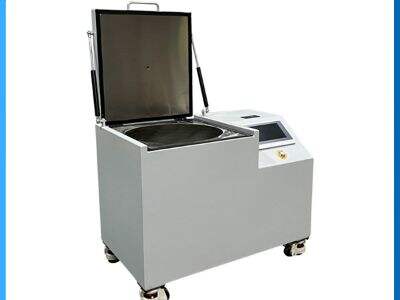
Battery materials require special handling prior to use. And grinding or mixing them in just the right way could lead to better-performing batteries. That is where laboratory mills can play a crucial role. They assist in the preparation of battery materials, crushing them into small bits or mixing them thoroughly. For companies making large purchases, learning about these mills can be a game changer. Laboratory Mills to Help with Battery Materials Nanjing Chishun As a leading role in powder compaction solutions, Nanjing Chishun makes delicate laboratory mills used for battery materials, which allows customers to obtain good quality. Let’s discuss how these mills make better battery materials and what to consider when selecting one for major buying decisions
How lab mills can help battery material quality for wholesale purchase
When purchasing battery materials in bulk, volume isn’t the only factor at play, it’s also about the quality of that material. Laboratory mills are a big part of making sure the materials are just right. For instance, with some battery parts you need to grind them into a very fine powder before they are any good. If the powder is too rough, your battery’s life could be shortened, or it might not function properly. Laboratory mill from Chishun(Nanjing) can now also grind as small as sub-10μ. This even size allows batteries to charge more quickly and to retain power longer
Another thing is mixing. Materials for batteries have to be thoroughly mixed, so that each part disperses uniformly. If the contents are uneven, some parts of a battery could fail earlier than others. Nanjing Chishun’s mills combine material at strong but gentle action, so that nothing breaks down and everything blends well. It helps companies to avoid problems later in production
Sometimes materials get too hot, or altered by grinding. But using the right laboratory mill, the process can keep materials cool and stable. That’s no increase in its chemicals or structure that would compromise battery performance. Wholesale customers receive better materials that align with their needs and minimize waste
Additionally, these mills are a time-saver and easy to use. Instead of repeatedly testing and fixing materials, companies receive better batches from the start. It’s like owning a tool that never works perfectly. It’s an area where costs can be saved and time-to-market delays for batteries can be averted. Ultimately, good mills catch the eye of anyone who’s purchasing battery materials in bulk
How to Select the Right Mill for Your Needs in Wholesale Battery Material Grinding
Selecting the right lab mill for your business can be a challenge. Mills come in many varieties, and each one functions differently. Nanjing Chishun has a variety of models, and while buyers must decide for themselves, some guidelines to consider in their decision-making
First, take into account the size of its batches. Some excel at small quantities; others do better with larger ones. If a company is purchasing a lot of battery materials, it requires a mill that can process large volumes without sacrificing quality. Or they may grind small amounts away doing nothing at all
Next, consider the material type. Various materials of battery have various hardness or viscosity. Some of them are soft powders, and some of them are hard as crystals. It’s crucial to select the right mill type for these materials. Nanjing Chishun’s mills are specially designed to accommodate a wide range of varieties and to prevent clogging or damage
Another significant factor is how quick and simple the mill is to clean, maintain and dismantle. Remnants of battery materials might be difficult to extract, and leftover bits could mar the next batch. A mill that’s to easy open and clean is a mill that is down less and makes fewer mistakes. Plus, heavy-duty parts decrease the need for repairs
Power and speed control are also important. Some substances want slow grinding to prevent being heated up; others, fast. A decent laboratory mill should allow you to tailor the speed to the particular job at hand. This versatility ensures companies will receive the best outcomes every time
Finally, shoppers might do well to consider safety and environmental concerns. Dust or particles can be very harmful if not properly treated. A mill with good dust control or easy-to-clean features like a nonporous surface or sealed containers helps keep workers safe and the space clean
It’s a Measured Decision Choosing the right laboratory mill is a collage of many things. The experience from Nanjing Chishun demonstrates how being intimate with your materials and needs means that you’ve chosen the best tool. It’s not a question of price or size but how well the mill serves the work. This thoughtful selection offers a large benefit for battery material production and can help users to achieve the best value
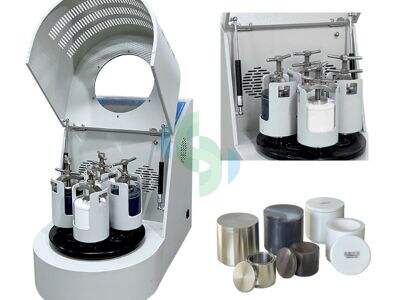
Common problems and solutions of laboratory mills for battery materials
When you are going to get lab mills for your battery R&D, there are some small problems that all buyers encounter. These are challenges that can make the milling less effective and deteriorate the quality of battery materials. Uneven particle size is one of the typical problems. An unevenly ground material, if used in the battery, can disrupt its performance. This will occur if the mill is improperly set or the material being fed is too rapid or slow. To correct this, the grinding speed and residence time of material in the mill should be carefully considered. Another issue is contamination. At times, small particles from the mill can blend with the battery material, resulting in poorer quality of product. The only way to prevent this is by selecting mills made of the finest, wear-resistant materials. Regular cleaning and maintenance of the mill can also prevent contamination. Overheating is another challenge. Heat can accumulate if battery materials are milled, which could alter the material’s properties or pose a risk of safety. This problem can be overcome with mills having efficient cooling systems or by occasionally halting the mill so that it can cool down. It should be noted that certain mills are quite loud and vibratory, which can lead to uncomfortable work environment for the workers as well as shorten a mill’s life. It is essential to select a mill which produces very little noise and vibration. Lastly, improper design by operators, users can be a lot of related problems is unlikely to repair the mill equipment. Good training for the operators along with clear instructions, leads to using it correctly. Thanks to the Nanjing Chishun laboratory mill, these issues are to be a thing of the past. Their devices include customizable settings, durable construction and safety features built in to ensure purchasers achieve the best possible results when working with battery materials
Where to Find High-Quality Laboratory Mills Suppliers for Battery Material Wholesale
Wholesale buyers always find it difficult to locate the right place to purchase laboratory mills for battery material preparation. Trusted supplier: Buy high quality battery manufacturing equipment Establish a good supply chain of material! 5.1 Material supplier should understand the need how to process in this field! One solid choice is to go directly to the manufacturers such as Nanjing Chishun. By purchasing from a trusted producer, you can be sure that you’re receiving equipment designed for maximum performance and durability over the long term. Manufacturers can also customize everything from mill size and speed to power level to suit your needs exactly. Wholesale customers should seek out suppliers who offer more complete product information and access to support. This'll involve clear explanations of the mill's features, how it operates and what materials it can process. Good suppliers will also offer training and after-sales service-you’ll find it quite helpful the first time you use the mill. Quality control is also a critical factor. In such cases, high-quality laboratory mills are usually accompanied by certificates that prove their compliance with certain standards. It is thus guaranteed that the mill is easy to operate and safe, reliable and capable when it comes to battery material. Wholesale customers should also look into the supplier’s reputation. Reading people's reviews, and asking for references will help you avoid suppliers who insist on selling inferior and even unsafe mills. Pricing is an important factor but it isn’t the only thing to consider. Silent motor or not, cheaper mills make inferior grinding machines and many can’t fully grind all of their ingredients to your satisfaction. Nanjing Chishun provides you to all kinds of lab mill with high quality. They concentrate on constructing sturdy and economical mills store owners save money by eliminating downtime an providing material of better quality. When looking for lab mills you should consider how long it will take for the mill to be shipped to you. Fulfillment fast and safe is priority to keep any project on track. Partnering with a supplier like Nanjing Chishun means you will receive good support from your order to delivery and beyond
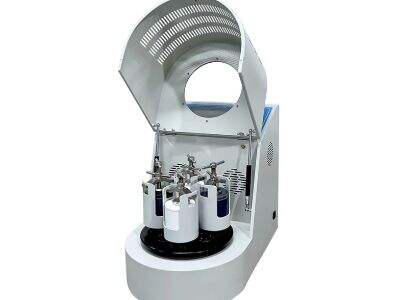
What to Think About When Purchasing Laboratory Mills For Battery Materials B2B buyers
There are several important considerations when B2B buyers consider investing in laboratory mills for the preparation of battery materials. For one, the battery material you are working with makes a big difference. Various materials require different milling methods and settings. Buyers, then, will need to select a mill based upon the materials they use, powders, pastes or solid pieces. The size and feeder system in the mill are also important. A smaller mill might suffice, for testing on a small scale. But if you plan to prepare large quantities, you will need a mill of greater capacity and power. Buyers will also want to look for mills with adjustable settings. By being capable of adjusting the speed, time and method of grinding we can get perfect results for a variety of materials. Safety is also another essential factor. Battery materials can be fragile or reactive, so the mill will need to have safeguards against overheating, sparks and leaks. Energy efficiency is important too. Mills with lower power need cost less and are better for the environment. Buyers should also consider maintenance. Easy-clean, easy-service milling will save time and lessen odds of clogs. Nanjing Chishun designs lab mills for easy cleaning and maintenance. Another factor is cost. There’s something to be said for choosing a cheap grinder, since there are so many good ones available that can deliver superior performance and durability at low prices. Buyers also need to take into account the support and warranty of the supplier. Good customer service and a solid warranty provide peace of mind if something goes wrong. Lastly, buyers should see if the mill is compatible with other lab gear or automated systems. That could help streamline processes and eliminate manual labor. Whether you’re a battery company or other industry supplier, Nanjing Chishun has the lab mills that serve these applications and several others by allowing B2B buyers to make intelligent investments in their battery material preparation process
Table of Contents
- How lab mills can help battery material quality for wholesale purchase
- How to Select the Right Mill for Your Needs in Wholesale Battery Material Grinding
- Common problems and solutions of laboratory mills for battery materials
- Where to Find High-Quality Laboratory Mills Suppliers for Battery Material Wholesale
- What to Think About When Purchasing Laboratory Mills For Battery Materials B2B buyers