
 EN
EN
 AR
AR
 BG
BG
 CS
CS
 DA
DA
 NL
NL
 FI
FI
 FR
FR
 DE
DE
 EL
EL
 HI
HI
 IT
IT
 JA
JA
 KO
KO
 NO
NO
 PT
PT
 RO
RO
 RU
RU
 ES
ES
 SV
SV
 TL
TL
 ID
ID
 SR
SR
 VI
VI
 SQ
SQ
 HU
HU
 TH
TH
 TR
TR
 FA
FA
 MS
MS
 BE
BE
 IS
IS
 BN
BN
 LO
LO
 LA
LA
 MN
MN
 KK
KK
 UZ
UZ
 LB
LB
 XH
XH

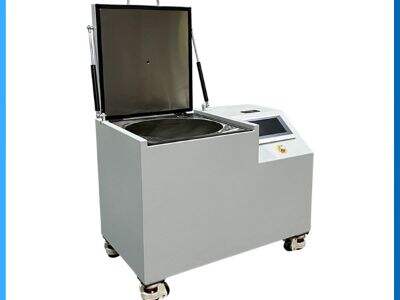
Laboratory mills and industrial mills are some of the most common tools for crushing and grinding materials, but many people do not know the difference between them as well as extra details that differentiate one from the other. Laboratory mills are a smaller, lighter and more accurate replacement for laboratory pulverizers. Commercial mills, on the other hand, process large quantities of material and are constructed to work non-stop in a shop. There are pros and cons to each, so it all depends on what you’re looking for. Both types are offered by our company, Nanjing Chishun, and we craft them with quality and details that can meet your variety of requirements. Let’s examine in a bit more depth how laboratory mills provide more precision and what to consider when selecting the best mill for purchasing in bulk
How Lab Mills Improve Quality Control of Bulk Materials in Laboratories versus by Cutting Costs
They aren't until people make them that way, and laboratory mills are designed to never be. They use small samples, so they have a lot of control over the grinding process. For instance, if a scientist needs to test out a new medicine, the laboratory mill can grind only two or three grams with precise settings. This serves to maintain the sample pure and homogeneous. By contrast, industrial mills process tons of material every day, so speed and volume are more the priority than tiny nuances. This can lead to slight variations in the size or texture of particles, since machines run constantly and materials might mix differently. At Nanjing Chishun, we understand how any mistakes you make while experimenting with a new material or small batch could ruin your project. Our laboratory mills have parts that fit together tightly and machines that can alter velocity or pressure quickly. Sometimes, an operator needs to stop the mill, check the sample and correct settings, that exacting work is not available in large industrial mills. And laboratory mills can use special blades or grinding surfaces that prevent heat, while minimizing damage to even the most delicate materials. The very toughness and strength of industrial mills are traits that can crank out a bit too much material heat and friction, which might wreak havoc with the quality of a lot of bean processing. So if you are studying the behavior of material or trying to develop a small piece for research, laboratory mills can be better because they do offer more control. But if you need a lot fast, industrial mills are the way to go even though it’s less accurate. “Experience here at Nanjing Chishun also looks to suggest that a combination of these two types may assist: lab milled for early trials and industrial mills for full production
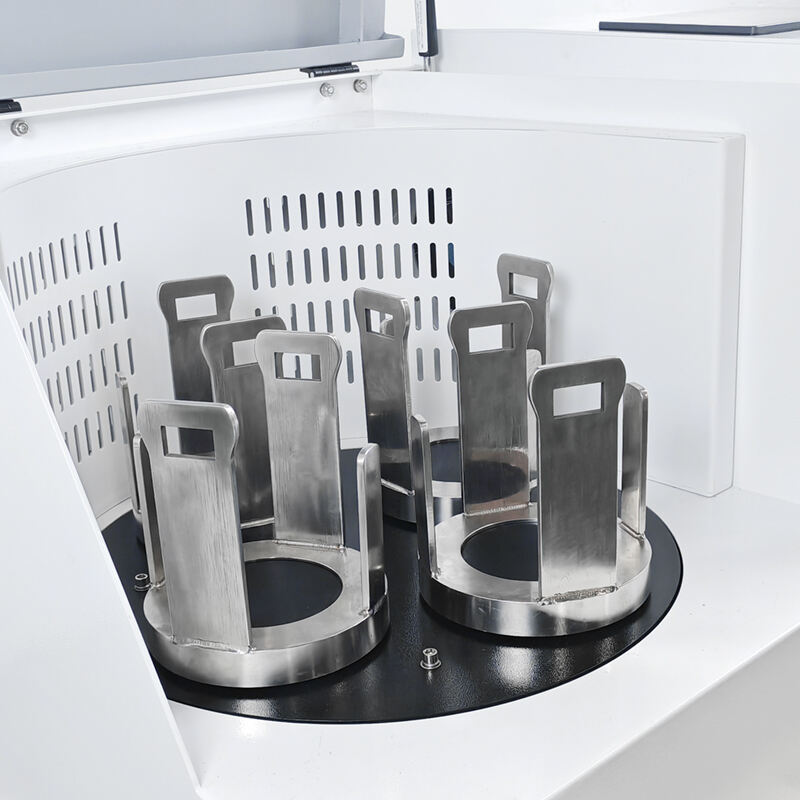
How to Make the Right Choice: Factory-Made Lab Mills vs. Homebrewed Milling Methods
Choosing the right mill depends on what you want to accomplish with it. If you have a business that grinds powder or crushed material, and needs to supply tens of thousands of kilograms daily, then industrial mills typically are the answer plus. These machines are constructed to continue working hard and long without any breaks. But what if your livelihood depends on testing numerous materials, in small lots or with very precise results? Then laboratory mills would become a time and money saver when it comes to avoiding errors during large scale production later down the line. Consider your space and budget, too when you are buying in bulk. Industrial mills require more space and energy. Mills in the laboratory can be placed on a bench and are small enough to use less electricity. At Nanjing Chishun, we assist customers by probing to learn about their processes and objectives prior to suggesting a mill.” A few customers purchase both, to address different steps in their process. For instance, a food company could use laboratory mills to try out new recipes and then use industrial mills to mass-produce snack foods. Also, think about maintenance. You should have regular checks of industrial mills because they run hard and can wear out fast. Laboratory rollers are less difficult to clean and maintain, but must be carefully used to maintain their accuracy. Here at Nanjing Chishun, our team is on-hand to help buyers through these myriad of choices – telling them everything we know from years spent in manufacturing. Selecting a mill is hard work, but with the right assistance, you can find the perfect match that saves money and enhances product quality
Common Challenges in Transitioning from Lab to Production Mills
Some issues can occur when transitioning from laboratory mills to industrial mills as both types of equipment operate differently. Laboratory mills are small and designed to test or make small quantities of materials. Industrial mill are much larger and produce a huge amount of things per day. One issue is that the way materials are ground or mixed in a lab does not always translate to the factory. For instance, a mater ial easy to grind in a small lab mill could be less easy to grind when using a large industrial mill. It then is possible for variations to be made in the quality of the end product
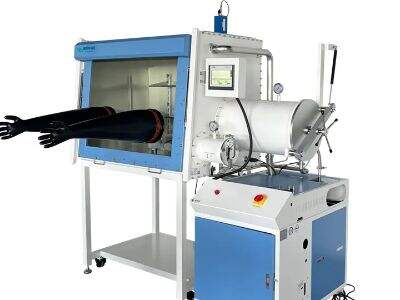
A second issue is that industrial mills require more skill and training to operate. People who are used to tiny lab equipment may have trouble working initially with industrial size mills. On industrial mills, the adjustments are more complicated, and tiny tweaks can have a big impact on the product. Also, industrial mills are more powerful and require more maintenance than their lab counterparts, something that may be new to the people tasked with running them
Occasionally the timelines for processing materials change as well
A process that requires a few minutes in the lab mill may take more or less time to complete on an industrial scale. That can affect the entire production schedule. Those concerns are why companies like Nanjing Chishun recommend a lot of testing and planning before moving to use industrial mills. In this case, the process has to be adjusted step by step and employees have to be trained well. This helps ensure that product quality remains good and production runs are smooth when transitioning from laboratory to industrial mills
Table of Contents
- How Lab Mills Improve Quality Control of Bulk Materials in Laboratories versus by Cutting Costs
- How to Make the Right Choice: Factory-Made Lab Mills vs. Homebrewed Milling Methods
- Common Challenges in Transitioning from Lab to Production Mills
- Occasionally the timelines for processing materials change as well