
 EN
EN
 AR
AR
 BG
BG
 CS
CS
 DA
DA
 NL
NL
 FI
FI
 FR
FR
 DE
DE
 EL
EL
 HI
HI
 IT
IT
 JA
JA
 KO
KO
 NO
NO
 PT
PT
 RO
RO
 RU
RU
 ES
ES
 SV
SV
 TL
TL
 ID
ID
 SR
SR
 VI
VI
 SQ
SQ
 HU
HU
 TH
TH
 TR
TR
 FA
FA
 MS
MS
 BE
BE
 IS
IS
 BN
BN
 LO
LO
 LA
LA
 MN
MN
 KK
KK
 UZ
UZ
 LB
LB
 XH
XH

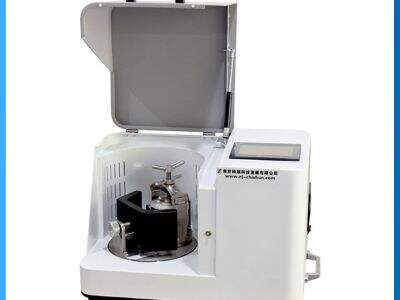
Selecting a lab grinder for your work is one of the most crucial decisions in ensuring you are getting the product from your laboratory project. If you have a good mill, it’s very easy to make leaves into (small) pieces to examine. But all mills are not created the same or produce the same quality. Some are for soft materials, others for hard. Some mills are fast, and others slow but steady. Choose the right one, and you save time, get better results, make fewer mistakes. Our company, Nanjing Chishun, produces dependable laboratory mills that many researchers swear by. Once you choose a mill, consider how fine the materials need to be ground and if they need to be perfect, not just “close.” Even slight variations in the power of a mill or differences in blade type can change how well it works for your needs. Now, I want to discuss how you can identify a good laboratory mill and the features you should consider when doing this
How to Recognize High-Quality Laboratory Mills for Precise Results in Research
There is more to selecting the right laboratory mill than merely grinding at the highest possible capacity, or that uses a specific type of material. You need a mill that performs with precision and accuracy every time you use it. There is one way to know whether a mill is good, and that’s to look at its construction materials. Durable metals and robust coatings help keep the mill running longer, without getting damaged when grinding hard samples. For instance, if you grind rock or minerals, mill with hardened steel or ceramics will be better. But if your samples are relatively soft, such as plants or powder, a lighter mill would suffice. Yet another key component is the motor and how it gets the blades spinning. A vibration-free motor can provide even grinding. Uneven power can cause lumps or dust, and obscure your results. You also want a mill that moderates heat, as too much can alter the properties of the material. Cooling systems or fail-safes that prevent them from overheating are frequently a part of Chinese mills coming out of Nanjing Chishun. This is super cool if your research requires the sample to remain unaffected. Occasionally mills have an adjustable speed or blades that let you choose how fine the grind is. This flexibility is a quality signal, making it easy to experiment with its settings. Also, consider how easy the mill is to clean. And if it’s difficult to disassemble or clean, residues can cross-contaminate new samples and wreck your work. A great mill should have parts that are easy to remove, and clean safely. And, finally, see what feedback users have or ask for a demo. A mill that has been the workhorse of many labs is a dependable choice. "In Nanjing Chishun, we believe science and improve our mill in real needs of researchers. This makes these mills the most demanding ones for accurate research
What Are the Perfect Grate Discharge Ball Mill Design
All laboratory work is not equal. Some scientists grind up minute amounts of powder needed for chemistry tests, while others handle larger samples like soil or food. For this reason the ideal laboratory mill needs to have features that enable others sorts of work. One is the overall size and capacity. For this, it is more versatile to provide a mill that works with smaller to medium-sized sample sizes. For example, a mill that can grind a few grams or up to several hundred grams has broader utility in various labs. Another element is what the mill does with various kinds of material. It ought to be ideal for soft, hard, dry and wet samples. Certain mills have special blade attachments and non-motorized, removable handle inserts that allow you to cut food products into these materials at a uniform thickness. At Nanjing Chishun, we specialize in mills that accommodate various materials without extra parts required all of the time. Speed control is also key. Some tests require very fine powders, while others require coarse pieces. The ability to slow the grinding or speed it up aids in having the texture you desire every time. And the safety features really, really matter. A well-designed mill should have covers, locks or sensors that prevent it from operating if something goes wrong. The user and the machine are safe. Another point to be considered is power utilization. A mill that doesn’t transfer energy negligently costs less to run, and runs cooler, which keeps your long experiment out of the trash. Noise level might seem ancillary, but quieter mills will make the lab a more tolerable working environment. Try working next to a loud machine all day, it’s exhausting! Lastly, the user experience is a big deal. Simple, clear controls that are easy to adjust reduce the likelihood of errors. Some will even have screens or buttons to tell you how fast they are currently spinning, or how much time remains. With all these features, the laboratory mill becomes a very flexible and adaptable machine that can be used in many research applications. Nanjing Chishun provides years of experience and feedback from actual users to produce a mill that is capable of anything you can throw at it
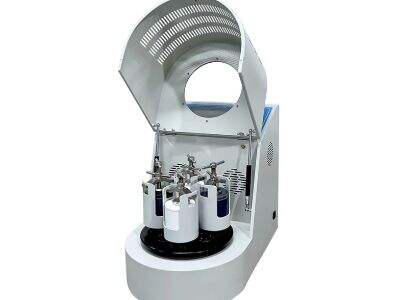
Which Are the Best Flour Mills in Wholesale 2014
In 2024, when wholesale buyers find laboratory mills in the market, they would prefer machines which are reliable, easy to operate and can meet different research requirements. What do laboratory mills do for researchers? For much research, this process is crucial because it makes the material more amenable to testing or study. For wholesale purchasers, choosing the right mill means determining which machines can handle a high volume of samples and grind them quickly while also lasting for many years. We specialize in the design, development, and production of laboratory mills that exceed industry expectations. Our mills come in various sizes and options, so you can select the one that best meets your work premises. For instance, there are some mills aimed at soft material and then you have your hard or tough stuff mills. Such choices are appreciated by wholesale buyers, who can then provide to labs the tool that best suits them for the job. Another new feature of the top 10 best mill in 2024 is that all mills include modern technology for an improved grinding performance. Nanjing Chishun’s mills have advanced controls and safety options, which can prevent users from making mistakes and help them achieve better results. In addition, wholesale buyers need their mills to be sustainable, using less energy and creating less waste. Our company makes machines that need less power but still work effectively. This is good for the labs, and it saves money and helps protect the environment. And lastly, when purchasing in bulk, other wholesale buyers seek out good customer service and quick delivery. Nanjing Chishun provides our buyers with fast shipments and good support, allowing us to deliver the items promptly and give you all kinds of necessary hands. In general, the best lab mills for wholesale buyers in 2024 are the ones that offer a good compilation of quality and flexibility, smart features and good service. When you select Nanjing Chishun, you’re getting a partner who is dedicated to your success and provides the necessary cutting mills for your customers
Selecting a Laboratory Mill for RT: How to Choose the Right One For Your Application
The perfect lab mill for research can be found very easily if you know what to look for. Different labs have different kinds of mills, because the sorts of research materials and goals can vary widely. To determine what sort of stuff you are dealing with is the facilitator at first. For example, if your research involves soft plants or powders, you might require a mill that is gentle and fast. But if you do, then you’ll want a hard, strong and costly dinosaur of a mill that can handle most anything. Different materials require different types of laboratory mills to be successful, and with on our many types of lab mills, you can quickly provide your experiment solutions by milling and pulverizing your material. Another significant factor is how large a samples you are interested in processing. Some mills process one small amount at a time, while others can pulveize larger batches. Understanding your sample size allows you to choose a mill that saves time and reduces effort. Also, consider the eventual size of ground material you require. Some studies call for very fine powders, while others are about larger bits. Our lab mills can be gapped to the size you need, with accessories available for added versatility. Great for many analysis or research projects. It’s also wise to think about how easy the mill is to clean and use. For research laboratories, the name of the game is speed, not accidentally mixing samples or to getting out a half-hour sooner after 12 hours on campus. Chishun’s mills have straightforward designs for quick and easy cleaning. Safety is very important too. Select a mill with exceptional safety features to prevent our scientists from risk/precautions during their operation. A number of our mills have covers and also locks, preventing hacks. Finally, consider your budget and how much you can afford to spend. You can find an excellent mill that will serve you well, even on a tight budget. Nanjing Chishun offers various mills that come with different prices to ensure you get the perfect one for your research. By considering the materials you'll be working with, the space you have available and safety aspects of your workplace environment – as well as whether you're likely to use it once or 50 times a day, how will work out what material of lab mill is best for your core research aims
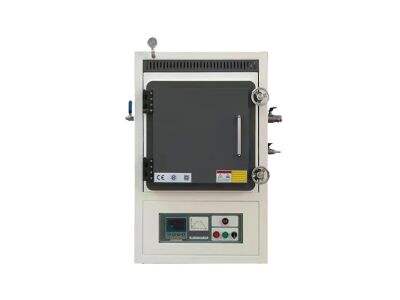
What Wholesale Buyers Need to Know About Laboratory Mill Maintenance and Durability
To wholesale purchasers, understanding the place of the laboratory mill is one of significance. A mill that regularly shuts down can lead to delays and additional costs. This is why it’s clever to consider mills that are sturdy and low-maintenance. Nanjing Chishun manufactures laboratory mills from quality parts that provide excellent durability and long service life, as well as being the perfect addition to any chemistry or processing laboratory. Durability refers to how well the mill will hold up to regular use and does not need to be replaced after grinding rough materials such as car wheels. This is a money saver because you do not have to replace parts or purchase another machine as frequently. Maintenance is the work required to keep the mill clean and running smoothly. Our machines have been designed with simple components making it quick and easy to disassemble and clean. This matters, because dirt or remaining materials can contribute to breaking the machine or altering your test results. We also have clear instructions and customer support to assist our buyers do the maintenance properly. Periodic maintenance and preventative care might include looking for wear on blades or grinding parts, cleaning the machine after use, and checking motors or moving parts to be sure they are functioning well. Retailers may also want to know about the availability of spare parts. We keep parts in stock so buyers can fix their mills fast if they have to, Nanjing Chishun said. That cuts down on downtime, and keeps labs functioning without long delays. One more important point, it is possible that some laboratory mills in service require special considerations, depending on the material to be processed. For instance, processing sticky or oily materials may necessitate a more regular cleaning schedule. Our staff can help buyers determine the proper maintenance for their specific use. Finally, selecting a reliable mill means less maintenance and a longer service life, allowing wholesale buyers to pass on better value as well. Quality and support from all at Nanjing Chishun is guaranteed and therefore are these laboratory mills to remain durable and efficient for decades. By learning about maintenance and durability, wholesale buyers can make shrewd decisions that save time and money while ensuring labs run seamlessly
Table of Contents
- How to Recognize High-Quality Laboratory Mills for Precise Results in Research
- What Are the Perfect Grate Discharge Ball Mill Design
- Which Are the Best Flour Mills in Wholesale 2014
- Selecting a Laboratory Mill for RT: How to Choose the Right One For Your Application
- What Wholesale Buyers Need to Know About Laboratory Mill Maintenance and Durability