
 EN
EN
 AR
AR
 BG
BG
 CS
CS
 DA
DA
 NL
NL
 FI
FI
 FR
FR
 DE
DE
 EL
EL
 HI
HI
 IT
IT
 JA
JA
 KO
KO
 NO
NO
 PT
PT
 RO
RO
 RU
RU
 ES
ES
 SV
SV
 TL
TL
 ID
ID
 SR
SR
 VI
VI
 SQ
SQ
 HU
HU
 TH
TH
 TR
TR
 FA
FA
 MS
MS
 BE
BE
 IS
IS
 BN
BN
 LO
LO
 LA
LA
 MN
MN
 KK
KK
 UZ
UZ
 LB
LB
 XH
XH

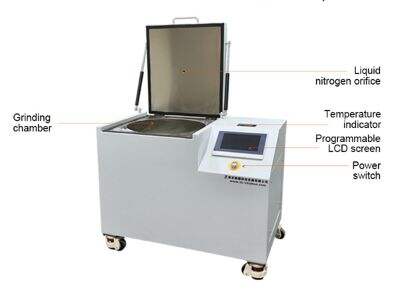
Kryogene malere er frittstående enheter som fungerer som blender med høy komfort, men som bare er egnet ved svært lave temperaturer; de bruker typisk flytende nitrogen for å kjøle materialer og gjøre dem så sprø at du kan knuse en skje mot dem. Disse materialene kan brytes ned til små stykker gummi, plast eller sammensatt materiale uten å smelte eller bli klissete. Kryogen malering gir en utmerket måte å bryte ned harde eller blandede materialer. Kryogen teknologi for å muliggjøre mekanisk resirkulering Nanjing Chishun har utviklet en serie kryogene knusemaskiner for spesifikke avfallsområder som dekk, og ressurser kan gjenopprettes ved slutten av levetiden, noe som reduserer miljøavfallet. Det høres utfordrende ut å behandle ulike materialer med én maskin, og likevel er det mulig — når maskinen er en kryogen knuser
Oppnå reduksjon av partikkelstørrelse med høy ytelse i resirkulering av sammensatte materialer ved bruk av kryogene malere
Visse komposittmaterialer er svært vanskelige å bryte ned, siden de ofte består av flere stoffer som er limt eller bundet sammen. De fleste kompositter knuser ved vanlige temperaturer, smelter eller klistrer seg sammen og danner uregelmessige partikler som er vanskelige å resirkulere effektivt. Kryogene malere fra Nanjing Chishun kjøler kompositter til svært lave temperaturer, noe som gjør dem sprø og enkle å knuse til små, jevne partikler. Den kalde temperaturen forhindrer også varmeopphopning; materialet endrer ikke sine kjemiske eller fysiske egenskaper på noen måte som følge av maleringen. For eksempel kan karbonfiberforsterkede kunststoffer males til synergistiske pulver uten at fiberne avbrytes, og dermed bevares verdien videre i en sløyfe eller som fyllstoff. Resirkuleringsbedrifter kan oppnå partikkels størrelser under 100 mikrometer ved hjelp av vår kryogene knusing – noe som ikke ville vært mulig med andre prosesseringsmetoder. Prosessen reduserer også behovet for siktning, fordi forskjellige deler løses bedre når de knuses til finere stykker. Selv om få resirkuleringsanlegg faktisk har sett teknologiens evner til å øke utbyttet og redusere avfall som sendes til deponi. I tillegg forhindrer den kryogene metoden dannelse av støv og lukt som oppleves ved konvensjonell varm knusing, noe som gjør arbeidsplassen sunnere og renere. AFM’s maskinkonstruksjoner gjør det mulig for operatører å endre malingshastigheter, kjøletemperaturer og knusetrykk, slik at en rekke ulike kompositter lett kan bearbeides av kunder. Denne tilpassbare kontrollen gjør det mulig for resirkuleringsbedrifter å håndtere blandinger av materialer uten å bytte maskiner eller oppsett. Det er også en ting å bryte ned materialer; det er noe annet å gjøre det på en måte som tillater at de kan brukes til andre produkter
Kryogene malmningsløsninger for gummi og plast
Gjeninnvinning av gummi og plast innebærer ofte høy kapasitet for produksjon av råmaterialer. Siden gummi er elastisk og plast kan være myk eller klissete, er det vanskelig å dele dem opp i små biter uten å varme dem opp eller på annen måte ødelegge dem. Nanjing Chishuns maskiner for kryogen bulkmalming er konstruert for å kjøle store mengder gummi- eller plastavfall til de blir sprø og kan splittes i små partikler. Denne prosessen unngår problemer som smelting eller klumping, som oppstår ved tradisjonell malming. Gamle dekk er for eksempel vanskelige å resirkulere på grunn av innebygde metalldeeler og gummis hardhet som gjør dem motstandsdyktige mot shreddere, men når de blir kalde og sprø i kryogenisk molle s, smulter gummi og skiller seg rent fra stålbåndene. Våre store maskiner, med automatisk påføring og avkjøling, minimerer nedetid og øker produksjonen til ønsket nivå. Den kalde knusing begrenser også slitasje på maskindeler, noe som sparer penger på reparasjoner og vedlikehold. Brukere av Nanjing Chishun sier de oppnår mer jevne størrelser og renere (gummi- eller plast) pulver sammenlignet med andre metoder. Det er ganger man må knuse gummi- og plastavfall sammen – våre kryogene knusere gjør også det, og produserer et homogent produkt klart for gjenbruk. Store maskiner for massproduksjon har sikkerhetsfunksjoner for trygg håndtering av nitrogen og reduserer risiko under drift. Fra små recyclinganlegg til enorme fabrikker – disse maskinene vil gjøre jobben for deg og fortsette å utføre det de er laget for. Avkjøling og knusing i én operasjon sparer energi – noe som også senker totale recyclingkostnader. Å velge riktig kryogen knuseanlegg fra Nanjing Chishun betyr at gjenvinnere får maskiner bedre egnet for krevende materialer, høy volumproduksjon og renere endeprodukt, og dermed bidrar til en mer effektiv recyclingprosess
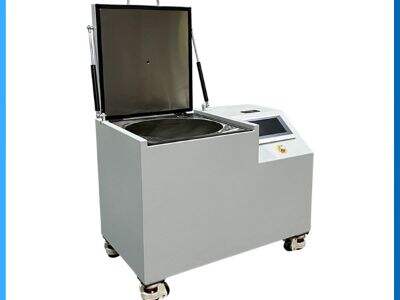
Her er hvorfor kryogen maling er avgjørende for bærekraftig gjenvinning av gummi og plast
Vi må resirkulere gummi og plast hvis vi skal redde miljøet vårt. Disse materialene finnes i mange produkter – dekk, flasker, emballasje. Når de blir gamle eller kastes, trenger vi smartere måter å resirkulere dem på, slik at de ikke ender som søppel som er skadelig for naturen. Der kommer kryogen maling inn i bildet. Kryogen maling innebærer svært lave temperaturer, ofte med flytende nitrogen, der gummi, plast eller andre sammensatte materialer frosses før de males. Når materialet kjøles ned til temperaturen til flytende nitrogen, fryser det og blir svært hardt og sprøtt, noe som gjør det lett å knuse og male det til mindre biter eller pulver. Deretter kan disse småbitene gjenbrukes i nye produkter
En annen grunn til at kryogen milling er viktig for resirkulering er at det holder materialet rent og rent. Gummier og plast kan bli fanget eller myke når de males ved normale temperaturer. Dette kan gjøre det vanskelig å male til et fint pulver og kan føre til at materialet setter seg fast på utstyret eller blandes med jord og annet søppel. Men materialet forblir tørt og hardt i kalde temperaturer, noe som gjør malingsprosessen mye jevnere og mindre rotete. Dette fører til at resirkulert materiale blir av høyere kvalitet og mer verdifullt
En annen ting å merke seg er at kryogen milling sparer deg strøm. Og fordi materialene er sprø, trenger maskinene ikke jobbe like hardt for å bryte dem ned. Dette krever mindre elektrisitet, noe som er bedre for miljøet og lar selskaper spare penger. Og sist men ikke minst, har det lavere støvproduksjon og støy sammenlignet med andre løsninger, noe som gjør det tryggere og mer behagelig å arbeide med
Nanjing Chishun spesialiserer seg på produksjon av gummiprodukter og gjenvinningsmaskiner, og nå har Chishung Recycling Technology brukt sin forsknings- og utviklingskompetanse på malmaskiner (malmaskiner), spesielt for gjenvinning av gummi og plast. Deres maskiner hjelper gjenvinningsbedrifter med å omgjøre avfall til verdifulle råmaterialer som kan brukes igjen og igjen. Gjennom kryogen malning gir vi også tiltak for sparing av energi og ressurser, samtidig som vi sikrer et rent og naturlig miljø for fremtidige generasjoner
Hvor du kan kjøpe rimelige kryogene malmaskiner for store gjenvinningsbedrifter
Det er ikke lett å resirkulere i stor skala. Hvis du har et stort resirkuleringsanlegg eller en fabrikk, trenger du maskiner som kan håndtere store mengder materiale dag inn og dag ut. Kryogene malmaskiner er ideelle til dette, fordi de enkelt og raskt kan male ned gummi, plast og sammensatt avfall til fine pulver. Men det kan være vanskelig å finne gode maskiner som ikke koster en formue. Heldigvis er Nanjing Chishun et pålitelig selskap som produserer kryogenisk molle maskineri for volumresirkulering
Og Nanjing Chishuns kryomalmaskiner er laget for å være robuste arbeidshester som varer lenge. Maskinene bruker flytende nitrogen for å kjøle materialene under malingen, noe som akselererer prosessen. Maskinene er holdbare og godt bygget – sterke nok til å håndtere store mengder avfall uten å sprekke eller sakke av. Dette er godt nytt for din resirkuleringsdrift, siden produksjonen kan fortsette uten hiccups og større jobber ikke trenger å hoppes over
Et annet fantastisk aspekt ved Nanjing Chishuns maskiner er at de er rimelige. Dette betyr at maskinene har en fornuftig pris å kjøpe og også sparer deg penger mens de arbeider. Kryogenisk maldt materiale trenger mindre energi enn andre malmemetoder fordi de frosne komponentene lett knuses. I tillegg krever ikke maskinene like mye vedlikehold og reparasjoner, noe som reduserer kostnadene over tid. Dette gjør det lettere for resirkuleringsbedrifter å spare penger ved å levere deg gode resultater
Kryogenisk malmutstyr du finner Når du velger ditt kryogene malmutstyr, må du ta hensyn til mengden arbeid (både tilgjengelig og påkrevd) samt typen materialer som må resirkuleres. Du kan velge mellom ulike modeller fra Nanjing Chishun, som kan tilpasses dine behov. Deres ekspertteam kan veilede deg når det gjelder hvilken maskin som er best for dine behov, og tilby trening for å sikre at du får mest mulig verdi ut av kjøpet
Med dette valget av kryogenisk malmaskin fra Nanjing Chishun kan store gjenvinningsanlegg redusere arbeidet sitt og også minimere avfall til lav kostnad for å tjene mer tilbake ved å produsere høykvalitets gjenbrukte produkter. Dette er et godt alternativ for bedrifter som ønsker å vokse og utvide seg samtidig som de tar hensyn til miljøet
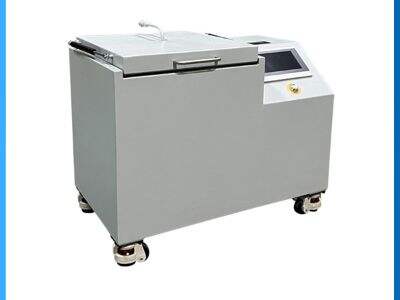
Hvordan kryogenisk knusing bidrar til gjenvinnbarheten av gummi- og plastavfall
Gjenvunnet gummi og plast er svært nyttige, men verdien avhenger av hvor god kvaliteten på materialet er. Hvis de gjenvunne materialene er store, skitne eller klissete, kan de være vanskelige å bruke i nye produkter og har dermed lavere verdi. Kvaliteten på de gjenvunne materialene forbedres av kryogen knusing, noe som øker markedsmessig verdi. Lavtemperaturmalmaskiner fra Nanjing Chishun er ett steg i retning av å gjøre dette mulig
Kryogenknust gummi, plast og kompositt pulver overføres til svært jevnt fint pulver med ulik spredning kryogen malering . Dette fine pulveret er renere og kan lettere blandes med nye råmaterialer for produkter som dekk, skosåler eller plastdeler. Produsenter er villige til å betale mer for resirkulert pulver fordi det er stabilt og holdbart. Det betyr at resirkuleringsbedrifter kan selge sine materialer for mer penger
Til slutt hjelper kryogenisk maling de resirkulerte materialene med å beholde sine egenskaper. For eksempel kan gummi, hvis det males ved høy temperatur, bli mykt og glatt, og dermed mindre nyttig; når materialet fryses, blir det hardt og sprøtt. Frysing forbedrer den strukturelle integriteten til resirkulert gummi, noe som gjør at det kan brukes i flere produkter og tjene flere formål. Kryogenisk maling gjør også det lettere å skille sammensatte avfallsmaterialer. Noe avfall består av to eller flere materialer som er blandet sammen, spesielt plast og gummi. Kryogenisk maling gjør det lettere å bryte ned sammensetningen, slik at resirkuleringsbedriften kan resirkulere delene mer effektivt. Dette øker verdien av produktene og markedets priser. Nanjing Chishuns nye teknologi for kryogenisk maling hjelper resirkuleringsbedrifter med å produsere produkter av god kvalitet som tåler markedets prispress og oppnår sin egen markedsandel. Dette fremmer en sirkulær økonomi for gjenbruk av ressurser. Derfor er kryogenisk maling et kraftfullt steg mot å gjøre resirkulert gummi og plast nyttigere og mer verdifulle enn avfallet de kommer fra. Nanjing Chishuns teknologi er en grønn kilde som bedrifter kan bruke til å utvide sitt marked og oppnå sine mål
Innholdsfortegnelse
- Oppnå reduksjon av partikkelstørrelse med høy ytelse i resirkulering av sammensatte materialer ved bruk av kryogene malere
- Kryogene malmningsløsninger for gummi og plast
- Her er hvorfor kryogen maling er avgjørende for bærekraftig gjenvinning av gummi og plast
- Hvor du kan kjøpe rimelige kryogene malmaskiner for store gjenvinningsbedrifter
- Hvordan kryogenisk knusing bidrar til gjenvinnbarheten av gummi- og plastavfall