
 EN
EN
 AR
AR
 BG
BG
 CS
CS
 DA
DA
 NL
NL
 FI
FI
 FR
FR
 DE
DE
 EL
EL
 HI
HI
 IT
IT
 JA
JA
 KO
KO
 NO
NO
 PT
PT
 RO
RO
 RU
RU
 ES
ES
 SV
SV
 TL
TL
 ID
ID
 SR
SR
 VI
VI
 SQ
SQ
 HU
HU
 TH
TH
 TR
TR
 FA
FA
 MS
MS
 BE
BE
 IS
IS
 BN
BN
 LO
LO
 LA
LA
 MN
MN
 KK
KK
 UZ
UZ
 LB
LB
 XH
XH

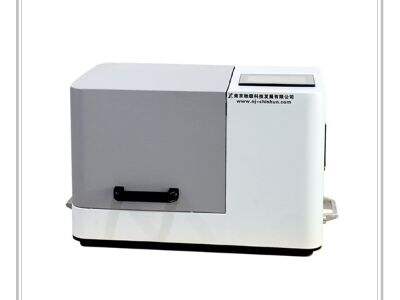
ПЕРЕМОЛКА В ЛАБОРАТОРИИ Лабораторные мельницы являются ключевыми устройствами в промышленных лабораториях. Они помогают уменьшить материал до более удобной формы или размера, что облегчает дальнейшее исследование или использование этих материалов. Различные типы мельниц используются в большинстве операций помола. Некоторые из них оснащены быстро вращающимися ножами, другие измельчают компоненты между тяжелыми элементами. Эти различия могут помочь вам работать быстрее, получать лучшие результаты и повысить безопасность. Nanjing Chishun предлагает различные типы лабораторных мельниц, применяемых в разных отраслях промышленности. Мы понимаем, что каждая лаборатория уникальна, поэтому мельницы поставляются с различными характеристиками. Понимание различий между этими машинами помогает сотрудникам выбрать наиболее подходящую для своих задач
Основные различия между лабораторными мельницами, подходящими для коммерческого и промышленного использования, заключаются в принципе их работы, а также в типах обрабатываемых материалов. Например, некоторые мельницы измельчают материал путем резки, подобно тому, как блендер нарезает продукты. Они хорошо справляются с пористыми или сухими образцами. Другие мельницы дробят материал за счет давления или удара шарика, что отлично подходит для твердых или хрупких материалов. Кроме того, чрезвычайно важен размер мельницы. Крупные мельницы позволяют быстро загружать большой объем материала, но могут уступать в точности. Мелкие мельницы обеспечивают больший контроль, однако замедляют процесс. От модели к модели различаются регулировки скорости, камеры помола и функции безопасности. Мельницы компании Nanjing Chishun представлены разными видами — от молотковых мельниц, которые измельчают образец за секунды, до шаровых мельниц, где материалы многократно перекатываются вместе с тяжелыми шарами внутри барабана. Каждый тип подходит для определённой отрасли, такой как химическая промышленность, пищевая промышленность или горнодобывающая отрасль. В некоторых мельницах эти компоненты регулируются, поэтому пользователи могут сами выбирать степень помола порошка. Некоторые модели также оснащены системой охлаждения, предотвращающей повреждение от нагрева. Не зная твёрдость или влажность образца, трудно выбрать единственно правильный вариант. Иногда лаборатории требуются мельницы, способные выполнять различные задачи; в других случаях оборудование должно быть специализированным. Наш опыт показывает, что мельницы с мощными двигателями, прочными деталями и длительной гарантией служат дольше и требуют меньше обслуживания. Кроме того, простота очистки может сэкономить несколько часов при каждом тесте. Выбор лучшей мельница означает размышление о том, как вы измельчаете, какой тип измельчения используется и с какой целью. Именно поэтому Nanjing Chishun консультирует и поддерживает производителей в подборе мельниц под реальные производственные потребности, чтобы покупатели получали наиболее подходящее оборудование, а не просто самое дешёвое
Получение отличного измельчения для лабораторных мельниц оптом — это не только вопрос цены и размера
Речь идет о качестве и том, насколько хорошо мельница справляется со своими функциями утром за утром. В компании Nanjing Chishun оба этих аспекта заложены в каждую производимую нами мельницу. Поскольку мы используем специальные материалы для деталей, контактирующих с образцами, наши мельницы не изнашиваются быстро и не вызывают загрязнения. Качество помола в значительной степени зависит от скорости вращения мельницы, формы рабочих частей, способа их комбинации в устройстве, а также от того, сбалансированы ли за ней бараньи шкуры или бычьи шеи. Несбалансированная мельница чрезмерно раскачивается и преждевременно выходит из строя. Некоторым лабораториям требуются мельницы, способные перерабатывать липкие или маслянистые вещества без засорения. Другие предпочитают устройства, работающие бесшумно в ограниченных пространствах. Мы учитываем эти факторы при проектировании наших мельниц. Оптовые покупатели обычно ищут машины, которые легко ремонтировать, а их запчасти должны быть всегда доступны. Мельницы Nanjing Chishun изготовлены из стандартных компонентов, которые можно заменить немедленно, а не через месяцы. Иногда покупатели хотят дополнительные функции для повышения скорости и безопасности, например, пылесборник или автоматическую подачу. Мы можем включить такие опции во многие модели. Кроме того, мельницы с эффективной системой охлаждения помогают сохранять свежесть материалов и избегать перегрева из-за недостатка воздуха/тепла. К нам обращаются те клиенты, которые начинают использовать наши мельницы, потому что ожидают более высокое качество порошка и меньшее время простоя. Часто дешёвые, плохо подобранные мельницы быстро выходят из строя, что приводит к большим расходам на ремонт и потерю рабочего времени. Использование качественной мельницы с самого начала позволит избежать множества проблем в будущем. Мы также предлагаем обучение и руководства, в которых подробно описаны лучшие способы достижения максимальной производительности. Пользователи на практике знают, как подготовить мельницу к работе с различными образцами и не допускают ошибок. Мы рассматриваем мельницу не просто как машину, а как партнера в повседневных успехах лаборатории. Выбор оптовых мельниц Nanjing Chishun — это способ получить инструменты, созданные для реальных промышленных лабораторных задач, а не просто для показухи
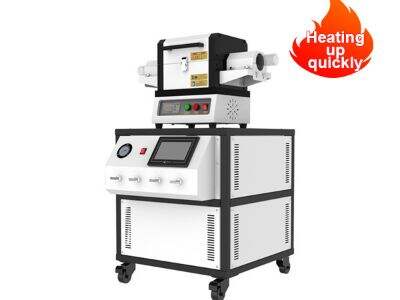
Каковы некоторые особенности конструкции и резюме
Выбор соответствующей лаборатории мельница для испытаний и исследовательских работ в промышленных НИОКР важна определённая степень согласованности способа, которым материал проходит процесс измельчения. Существует множество типов лабораторных мельниц, однако некоторые из них могут быть более подходящими для крупномасштабных или массовых применений. Основные типы, которые следует учитывать — это шаровые мельницы, молотковые мельницы и струйные мельницы. Шаровые мельницы измельчают материал путем вращения цилиндра со стальными шариками для помола, заставляя шарики падать обратно в цилиндр и на измельчаемый материал. Идеально подходят для измельчения твёрдых и абразивных образцов в мелкий порошок. Молотковые мельницы работают за счёт удара материала свободно раскачивающимися молотками по фланцевой битьевой плите. Эти мельницы работают на сумасшедшей скорости и отлично подходят для дробления мягких или волокнистых материалов. Струйные мельницы измельчают материалы с помощью высокоскоростной струи сжатого воздуха или инертного газа, заставляя частицы сталкиваться друг с другом. У каждого типа есть свои преимущества, но для массового промышленного применения наиболее важны прочность и высокая производительность. Шаровые мельницы могут выполнять как сухой, так и мокрый помол, однако последний осуществляется на низкой скорости. Молотковые мельницы работают быстро и легко очищаются, что очень удобно в загруженных лабораториях. Струйные мельницы обеспечивают менее затратный помол, но хорошо работают только с мелкими наночастицами. При выборе мельницы для крупных промышленных лабораторных операций необходимо постараться подобрать оборудование под материал, который вы планируете обрабатывать, и объём предстоящей работы. Лабораторная мельница для муки, компания Nanjing Chishun Co. производит, занимается оптовой продажей и экспортом всех видов мини-мельниц и машин для переработки семян. Их оборудование изготовлено прочным и надёжным, что позволяет лабораториям работать быстрее и эффективнее. Поэтому имейте это в виду при рассмотрении вариантов для массового промышленного применения: какие материалы вы хотите измельчать, насколько быстро нужно выполнить работу и какой степени тонкости должен достигнуть конечный порошкообразный продукт. Таким образом, вы сможете выбрать подходящую мельницу, отвечающую требованиям вашей лаборатории
Где найти надежные лабораторные мельницы для промышленных лабораторий оптом
Для промышленных лабораторий идеальным решением является подбор высококачественных лабораторных мельниц по конкурентоспособным ценам. Поскольку вы покупаете оптом, вам нужны машины, которые прослужат долго и будут эффективно работать каждый день. Компания Nanjing Chishun также заслуживает признания со стороны оптовых покупателей, поскольку она специализируется на создании надежных лабораторных мельниц для промышленного применения. В этом случае можно не сомневаться: компания тестирует свою продукцию, чтобы гарантировать соответствие высоким стандартам производительности и безопасности. Покупка напрямую у производителя, такого как Nanjing Chishun, позволяет сэкономить деньги, поскольку исключаются посредники, а также обеспечивается более качественное обслуживание клиентов. Кроме того, легче получить помощь в установке, обучении персонала и техническом обслуживании, если вы работаете с авторитетным брендом. Перепродавцам следует обращать внимание на продавцов, предлагающих гарантии и хорошее клиентское обслуживание. Таким образом, в случае возникновения проблем можно быстро получить ремонт или замену оборудования. Второй важный момент — необходимо выяснить, предлагает ли поставщик различные типы мельниц (с разными механизмами дробления), подходящие для разных лабораторных задач. Более гибкий поставщик даёт лабораториям возможность выбирать подходящее оборудование для каждого проекта. Если закупается несколько машин, целесообразно запросить скидку за объём или приобретение модели по специальной цене. Как производитель, Nanjing Chishun может тесно сотрудничать с оптовиками и предлагать конкурентоспособные цены, сохраняя высокое качество продукции. Также важно убедиться, что продавец способен безопасно и вовремя доставить оборудование. Промышленные лаборатории должны иметь своё оборудование в наличии, чтобы избежать задержек в работе. Короче говоря, промышленные лаборатории должны приобретать лабораторные мельницы у опытных и надёжных компаний, таких как Nanjing Chishun. Это обеспечивает высокое качество, справедливые цены и превосходную поддержку при крупных заказах
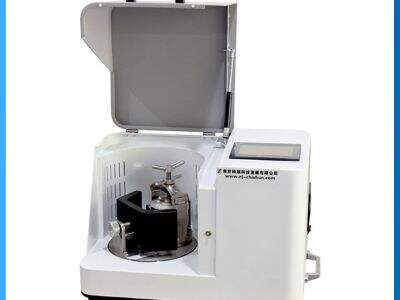
Что должны знать руководители лабораторий и оптовые покупатели о техническом обслуживании и долговечности лабораторных мельниц
Как поддерживать лабораторные мельницы Для оптовых дилеров лабораторных мельниц обслуживание этих машин имеет очень важное значение. Обслуживание заключается в выполнении небольших операций, чтобы мельница работала исправно и предотвращались серьезные проблемы. Прочность — это показатель того, как долго мельницу можно ремонтировать или заменять. Промышленные лаборатории часто работают достаточно долго, из-за чего мельницы изнашиваются, поэтому качественные материалы важны для обеспечения надежности. Компания Nanjing Chishun производит мельницы из прочных материалов и деталей повышенной прочности, что позволяет им долго работать до поломки. Однако даже самая лучшая мельница требует регулярного ухода. Розничным покупателям следует объяснять простые процедуры технического обслуживания, которые необходимо выполнять после остановки мельницы: проверку целостности винтов и болтов машины, замену которых рекомендуется производить на цилиндрические винты с головкой под ключ. Также не забывайте периодически добавлять смазку в движущиеся части в соответствии с рекомендациями производителя. Выполняя эти небольшие операции, можно предотвратить более крупный ремонт, требующий больше времени или денежных затрат. Другой важный аспект — иметь в наличии запасные части. Если какая-либо деталь износится, её можно будет быстро заменить без прерывания работы лаборатории. Компания Nanjing Chishun предоставляет запасные части и четкие инструкции по обслуживанию, что в некоторой степени упрощает уход за мельницы для загруженных лабораторий. Кроме того, вы сможете продлить срок службы вашего оборудования, обучив персонал лаборатории правильному использованию и обслуживанию мельниц. Для оптовых покупателей, особенно тех, кто делает крупные закупки, цена — это параметр, который не следует рассматривать изолированно. Им также необходимо учитывать общую стоимость владения. Мельница, которая служит дольше и требует меньшего обслуживания, позволит сэкономить деньги в долгосрочной перспективе. Как ухаживать за лабораторными мельницами — и выбирая передовые модели от надежных производителей, таких как Nanjing Chishun, промышленные лаборатории сегодня могут обеспечивать эффективную и экономичную работу
Содержание
- Получение отличного измельчения для лабораторных мельниц оптом — это не только вопрос цены и размера
- Каковы некоторые особенности конструкции и резюме
- Где найти надежные лабораторные мельницы для промышленных лабораторий оптом
- Что должны знать руководители лабораторий и оптовые покупатели о техническом обслуживании и долговечности лабораторных мельниц