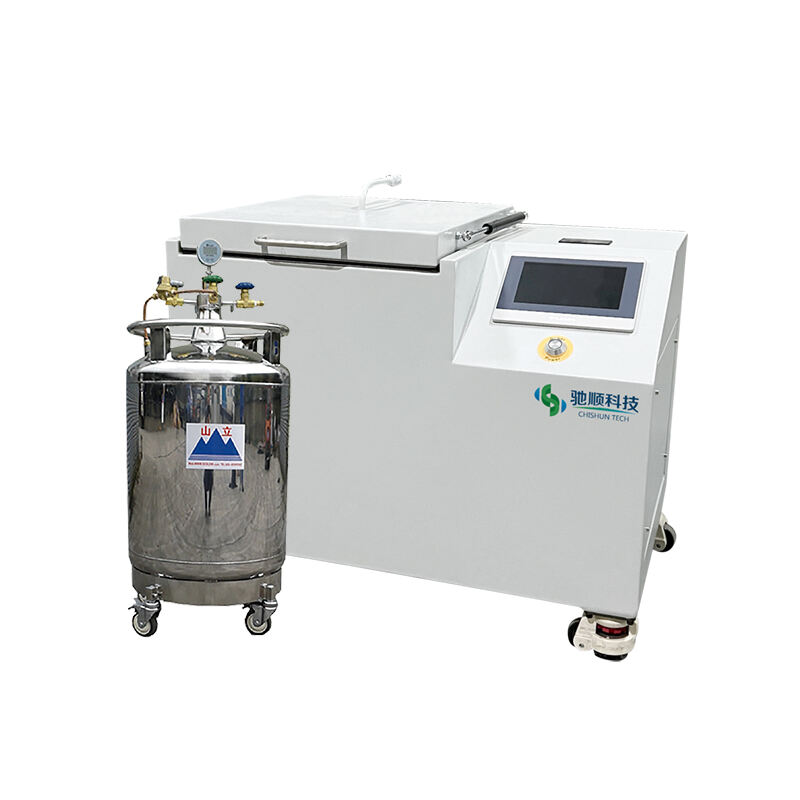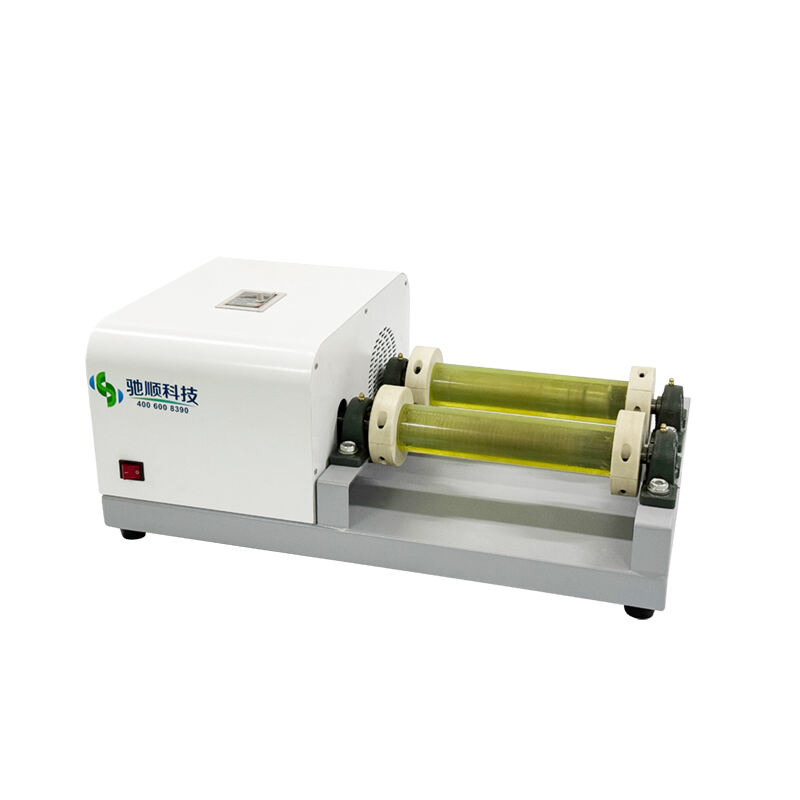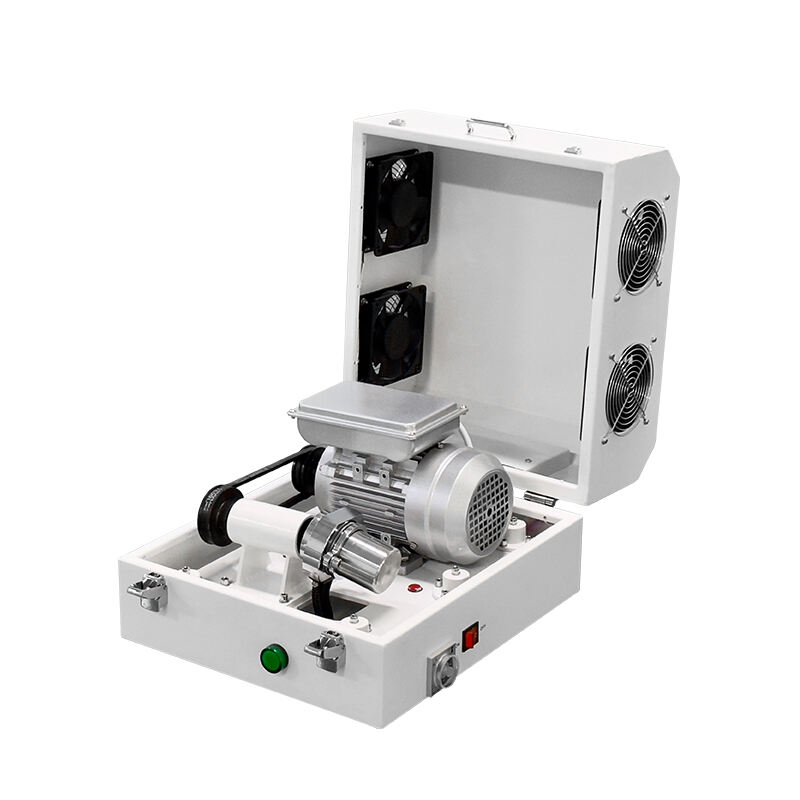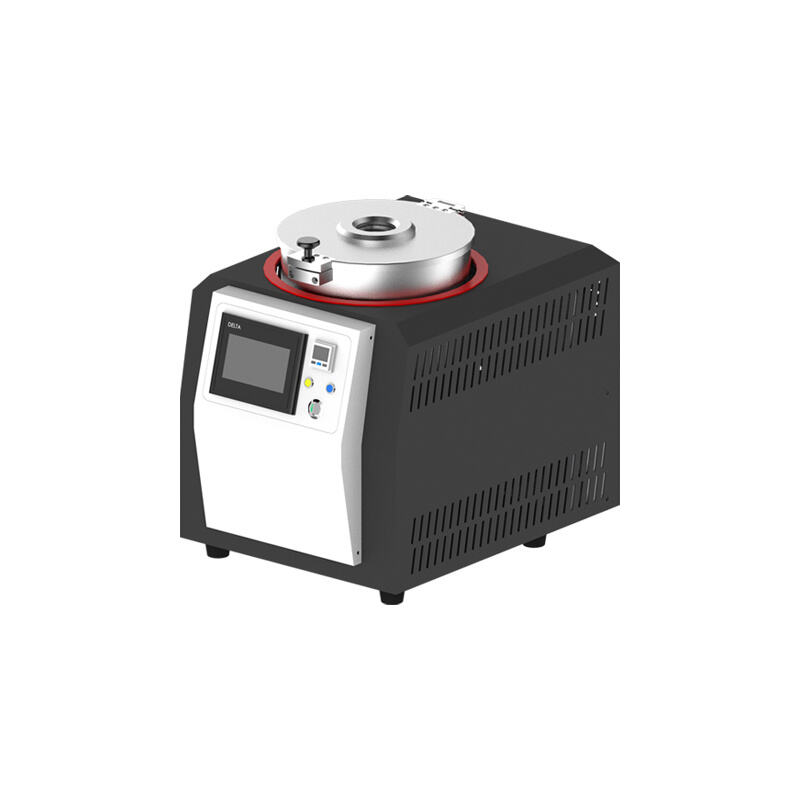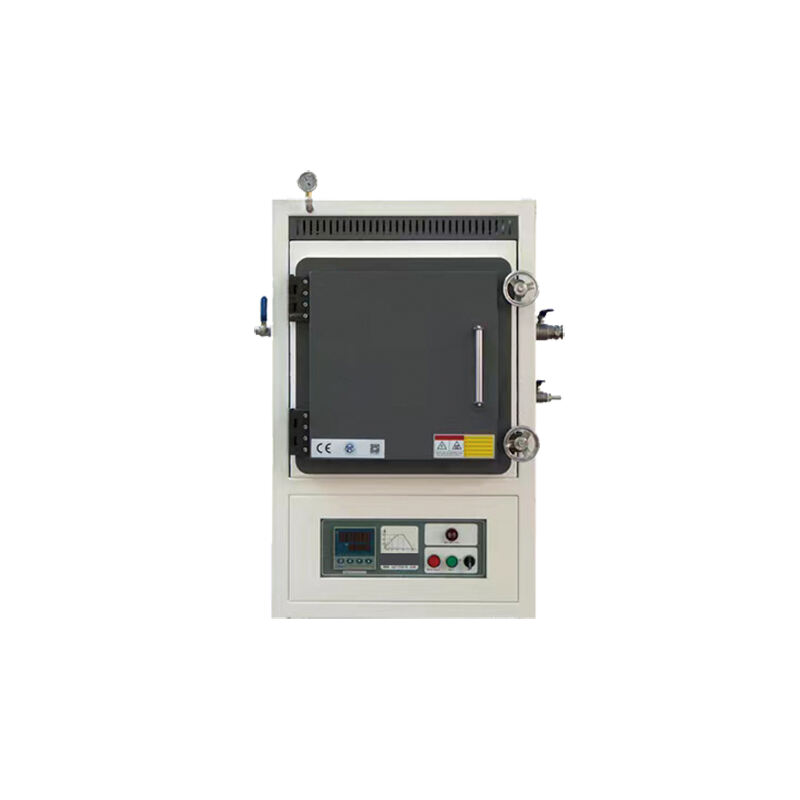
High-Temperature Applications and Manufacturing Using an Alumina Tube Furnace If you’re processing in high temperatures for manufacturing purposes, there are several advantages to using an alumina tube furnace. The tubes of Al2O3 furnace boast excellent thermal insulation, temperature uniformity and resistance to oxidization, ideal for heating materials up to extreme temperatures. The ovens are widely utilized in industries including semiconductors manufacturing, material research and chemical processing.
An alumina tube furnace is known for its high temperature capabilities and it can achieve, as well as maintain, high temperatures with ease. This is especially critical for procedures demanding an accurate temperature, like sintering or crystal growth. The high thermal conductive alumina facilitates uniform heating throughout the furnace. Furthermore, alumina also is very chemically resistant to reaction and can be used for the processing of many materials without cross-contamination. In general, alumina tube furnaces are suitable for high temperature applications due to reliability and efficiency.
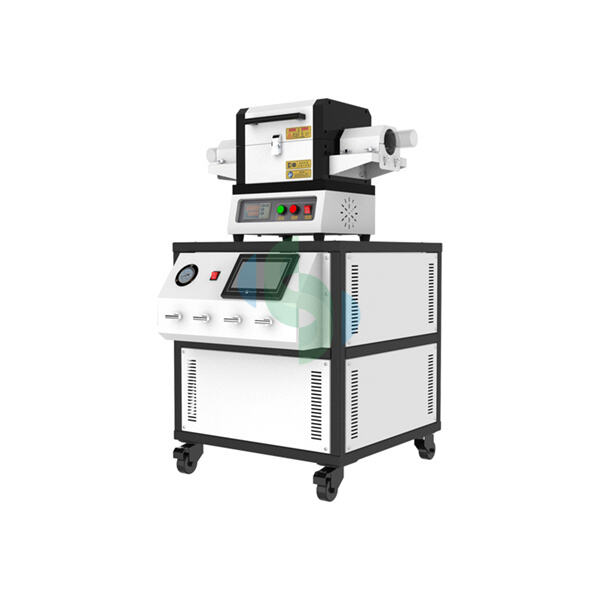
Alumina tube furnace as a part of your manufacturing technology can contribute to the outstanding process efficiency and product quality. The furnace's precise temperature control and uniform heating can be used to maximize the production of materials that require high-temperature processes. It can lead to shorter processing times, more consistent product quality and lower energy usage. Moreover, the chemical resistance of alumina guarantees that furnace performance remains stable over time with less downtime and maintenance cost. On the whole, adding an alumina tube furnace to your system can make manufacturing easier and more productive.
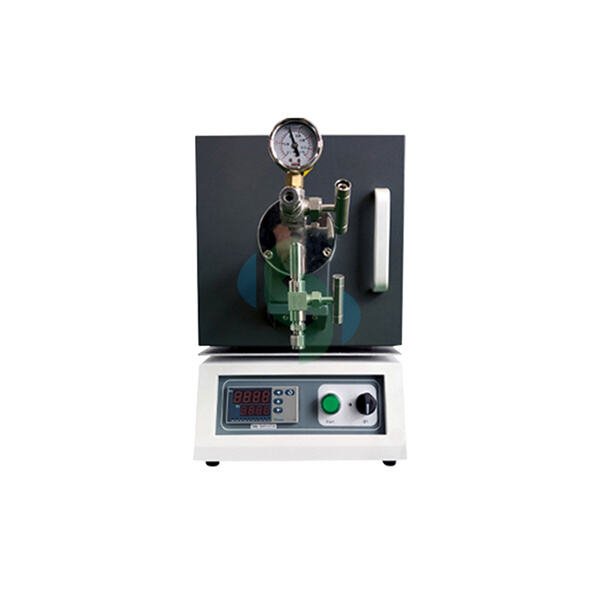
Proper maintenance of an alumina tube furnace is key to its longevity and performance. Routine service of the furnace chamber and heating elements is necessary to avoid contamination that reduces the furnace working efficiency. It is also important to periodically check whether the furnace has suffered from wear and tear (such as crack on tubes, thermocouples damage). It can also help to monitor the junction with a cold reference standard and to follow the manufacturers recommendations for temperature calibration and ramp rates. With proactive maintenance and timely problem solving, you can extend the service life of your alumina tube furnace and optimize its operation.
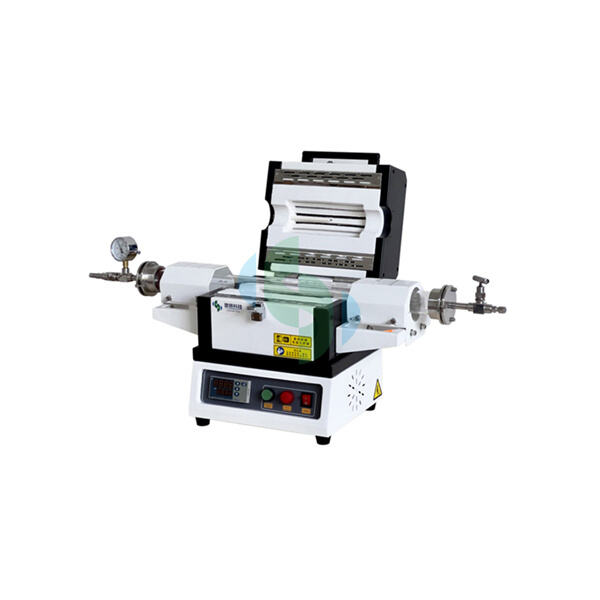
Choosing a suitable size of an alumina tube furnace is very important in dictating whether it will be fit for purpose in your specific application. Selection of the size of a furnace should be based on factors such as quantity and base-area loading of materials to be processed, desired rate at which a heating-up time is to occur and maximum temperature required. The furnace size like the diameter and length of the heating tube should also conform to your factory space/size. When sizing a tube furnace please take into consideration the size and weight of your products as well letting us know your temperature and atmosphere requirements, by doing so proper model can be recommended to you.
We are a alumina tube furnacemanufacturing that integrates studies production, sales, plus service. CHISHUN is one of the Hi-Tech significant Enterprises of Torch Plan, had a reputable bunch of, held an amount of patents, along with worked with local faculty members at NJU, NUST, and HHU.
All of us is aimed at supplying you and hardware of this alumina tube furnace. Every person inside our team works diligently and it is responsible for the ongoing work they do. We hope which our knowledge and effort will assist you to create better perform.
Our products are alumina tube furnaceutilized in mining, geology metallurgy, electronics, building materials ceramics, chemical industry medical, light industry, cosmetology, environmental protection, etc.
Our items are alumina tube furnace and features, highly efficient, and quiet. They've been ideal for capturing particulate samples 4 samples per experiment) at research institutes for scientific research and corporate labs.
 EN
EN
 AR
AR
 BG
BG
 CS
CS
 DA
DA
 NL
NL
 FI
FI
 FR
FR
 DE
DE
 EL
EL
 HI
HI
 IT
IT
 JA
JA
 KO
KO
 NO
NO
 PT
PT
 RO
RO
 RU
RU
 ES
ES
 SV
SV
 TL
TL
 ID
ID
 SR
SR
 VI
VI
 SQ
SQ
 HU
HU
 TH
TH
 TR
TR
 FA
FA
 MS
MS
 BE
BE
 IS
IS
 BN
BN
 LO
LO
 LA
LA
 MN
MN
 KK
KK
 UZ
UZ
 LB
LB
 XH
XH